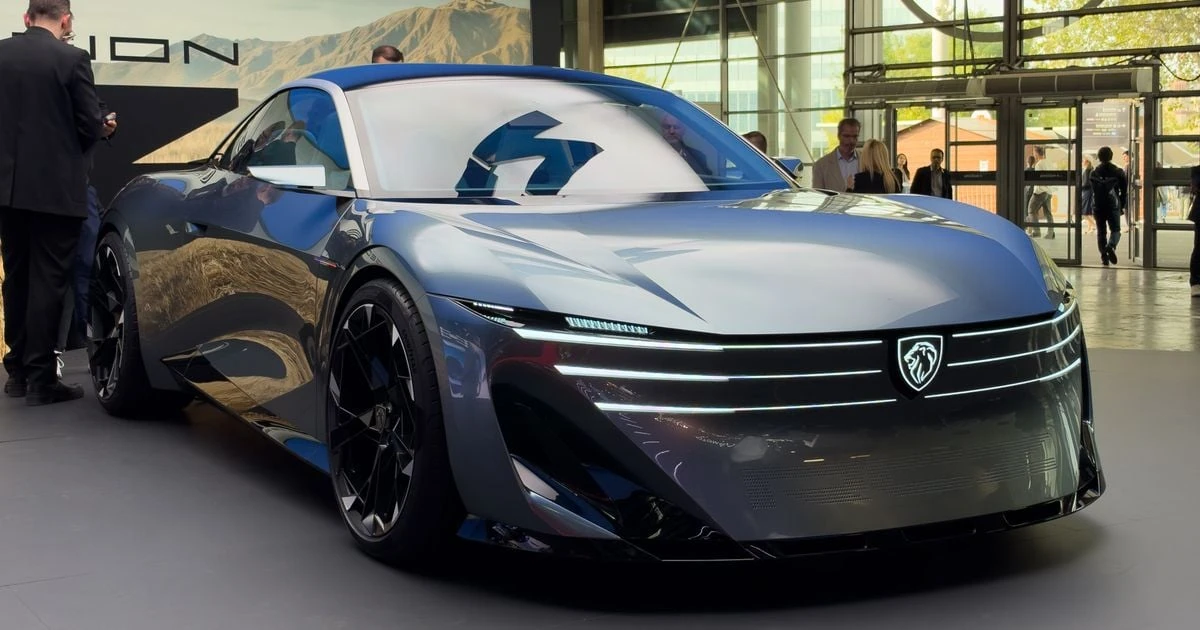
Peugeot has taken the wraps off the RCZ Vision, an electric four-seat coupe concept shown at the 2026 Paris motor show that revives the nameplate of the petrol RCZ sold in Australia between 2010 and 2015. The French brand says the sleek show car previews the design of its future models inside and out, along with solid-state battery technology it is developing with US firm Factorial Energy.
The concept is not confirmed for production, but it packages a 500hp (373kW) drivetrain, a claimed 10 to 80 per cent charge in as little as 10 minutes and a 600km WLTP range target from a battery pack only 110mm thick.
Solid-state tech with 1000V architecture
The RCZ Vision pairs a 1000V electrical architecture with Peugeot's higher-density, space-saving solid-state chemistry, developed under an agreement between parent company Stellantis and Factorial Energy dating back to 2021.
Peugeot claims the solid-state pack will be safer and cheaper than conventional lithium-ion, while charging much faster and delivering between 20 and 50 per cent more range per charge. The headline numbers are striking for a coupe: 500hp (373kW) alongside claimed consumption of just 11.5kWh/100km, and a 600km WLTP target.
The catch is that every one of those figures is a manufacturer claim attached to a concept, not a homologated result from a car you can order. The 10-minute 10 to 80 per cent charge figure in particular will depend on infrastructure that can actually deliver 1000V charging at the rates implied.
Design cues from the original RCZ
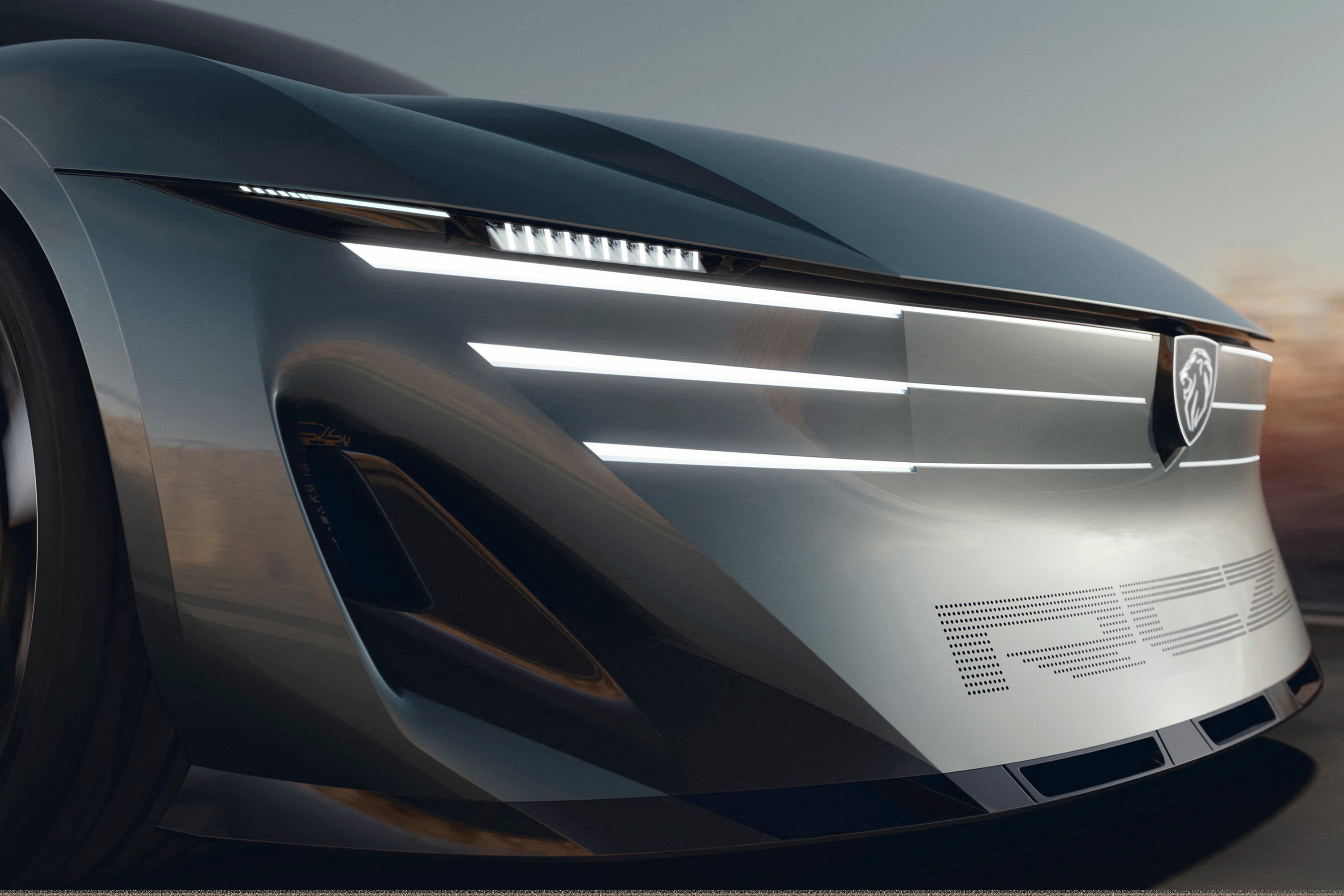
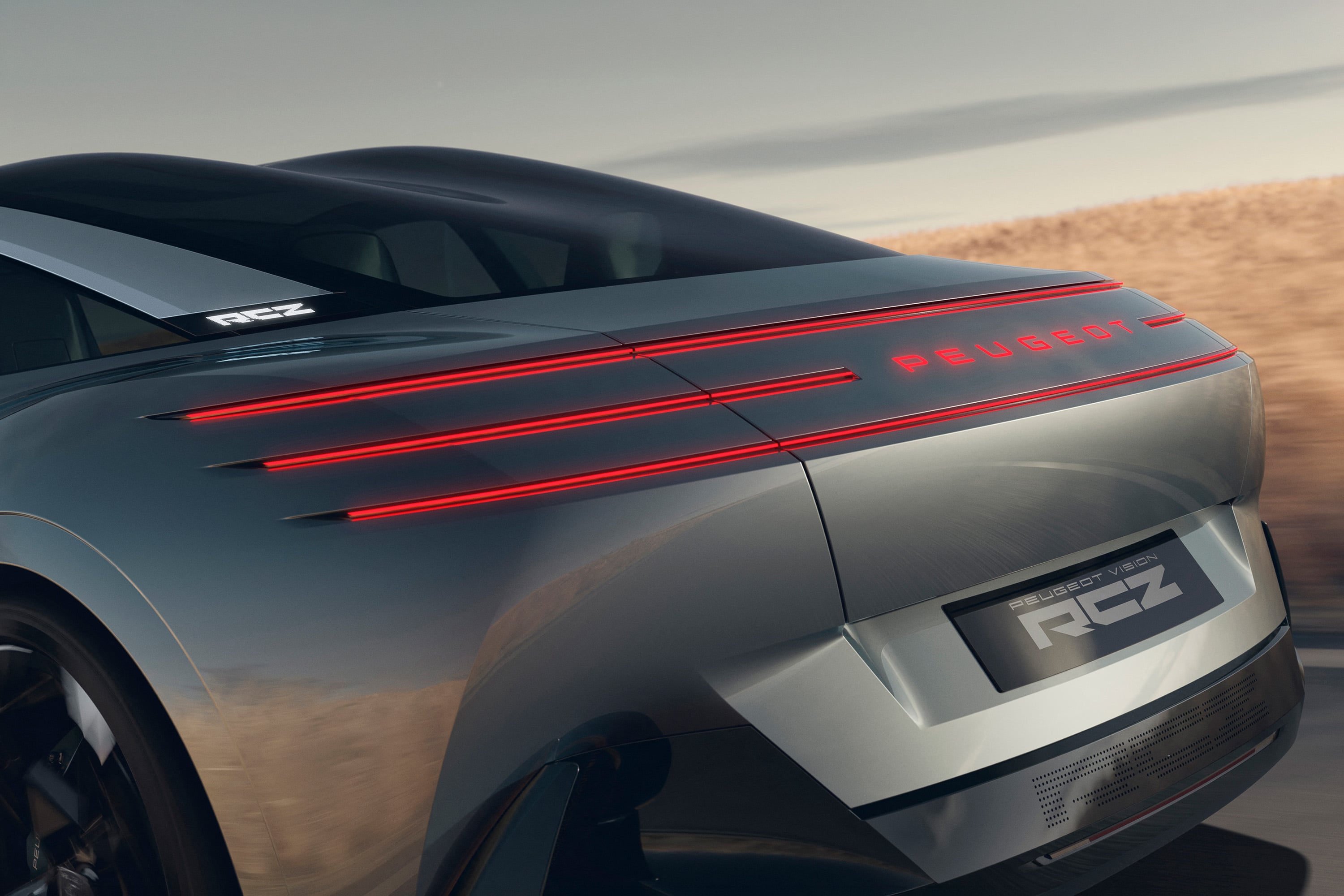
Styling comes under Peugeot's 'Feline Future' design language, with an aggressive, muscular stance, new three-claw headlights shared with the E-T16 concept shown in Paris, matching three-claw tail-lights and an active rear spoiler.
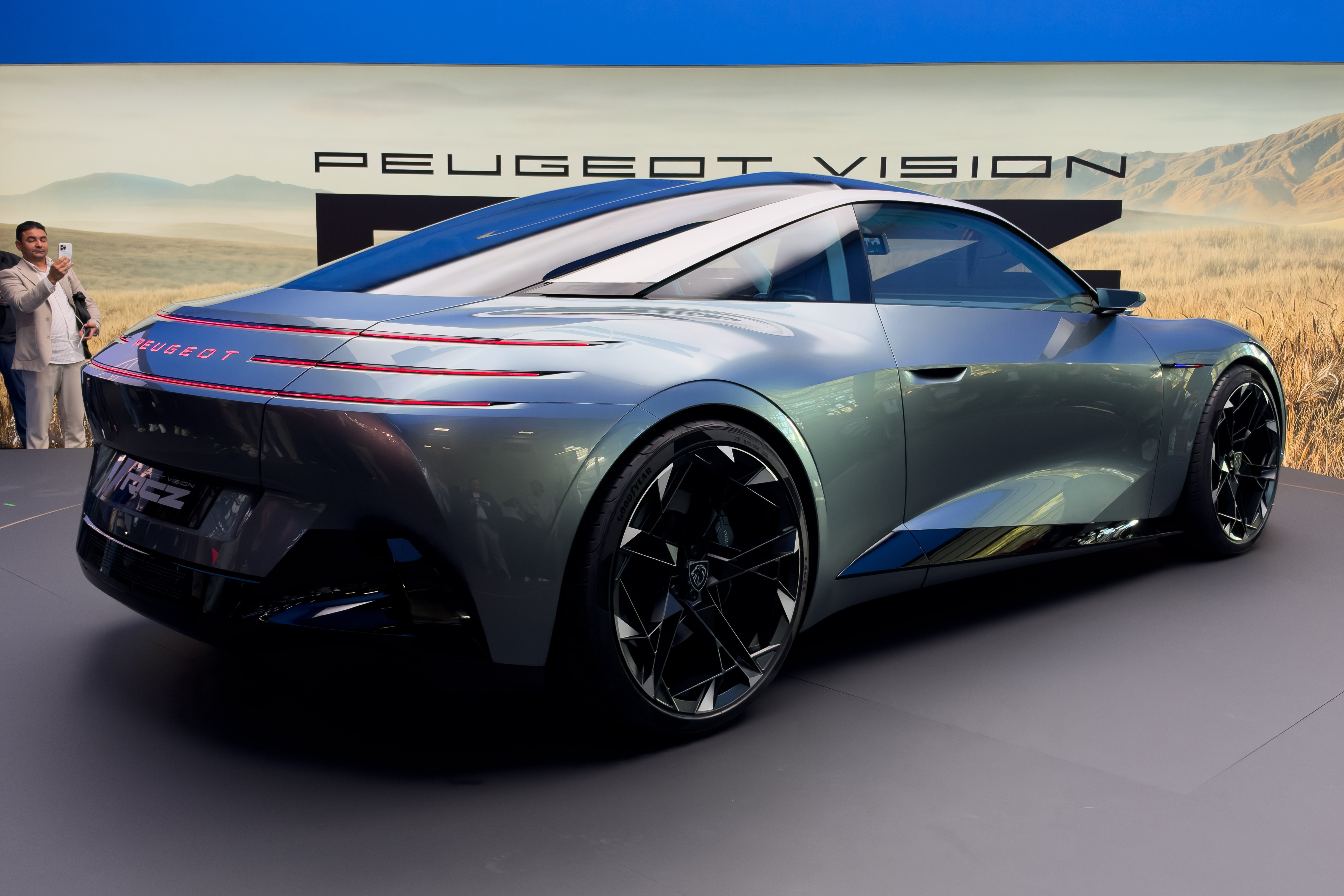
There are deliberate nods to the original RCZ, including triangular details in the haunches and the double-bubble roof, which here sits above a transparent glass cockpit. Rolling stock is 21-inch forged aluminium alloys at the front and 22-inch items at the rear.
Cabin and by-wire controls
Inside sits the 'Hypersquare' steering wheel already seen on the E-T16, the 2025 Polygon and the 2023 Inception concepts. Peugeot has confirmed Hypersquare will carry over to the production next-generation 208 hatchback, expected in 2027, with the 2008 small SUV to follow.
The RCZ Vision is also the first Peugeot with brake-by-wire, which replaces the conventional hydraulic system, and it adds variable-ratio steer-by-wire that cuts hand movements at low speeds while smoothing responses at higher speeds.
What it means for buyers
The concept gives the clearest signal yet of where Peugeot's production cars are heading: the Hypersquare wheel is locked in for the next 208, and the solid-state battery program is a joint Stellantis and Factorial effort rather than a one-off showpiece.
For Australian readers hoping for a new RCZ, no production version has been confirmed, let alone an Australian launch, so there is nothing to put a deposit on yet.