Hyundai has revealed the second-generation Bayon, its smallest crossover in Europe, with sharper styling, a larger body and a new full-hybrid option on the way. The 2027 model grows 65 mm in length and 35 mm in width over the car it replaces, and for the first time the range will include a proper hybrid alongside the turbocharged petrol engines.
Hyundai has not announced pricing or confirmed which markets will get the new Bayon, so buyers in Europe and beyond will have to wait for those details.
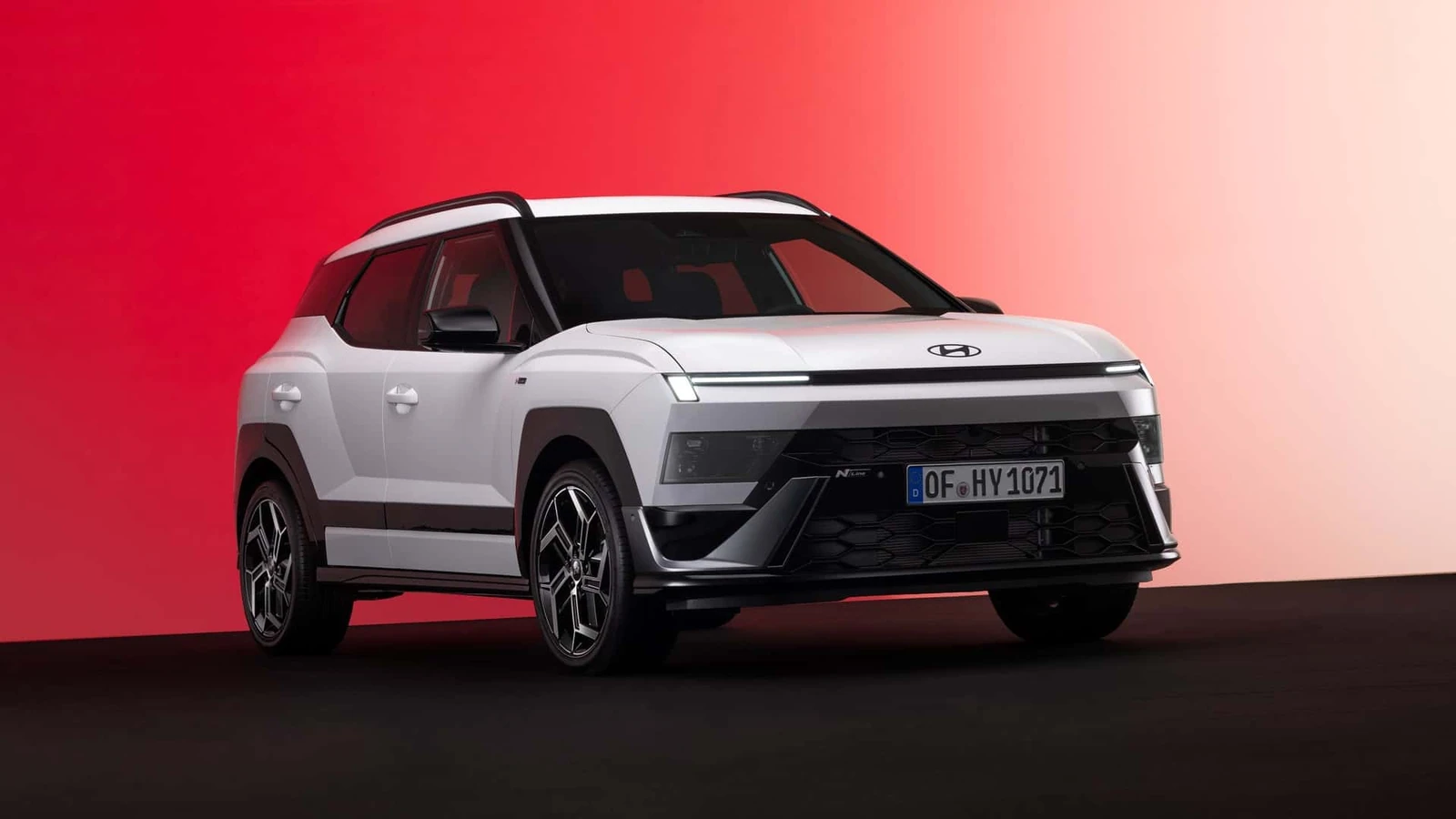
The original Bayon arrived as Hyundai's entry-level SUV in Europe, a slot once occupied by the Kona. The second-generation car leans into that role with a chunkier, more angular design: pronounced fenders, chunky body cladding and a full-width horizontal light signature at the front, matched by a similar treatment at the rear and an angular skid plate. Projection LED headlights with static bending lights handle illumination duties.
Bigger, but still city-sized
At 4,245 mm long and 1,810 mm wide on a 2,600 mm wheelbase, the new Bayon is noticeably larger than before while staying compact enough for urban use. Ground clearance varies depending on the powertrain and wheel size chosen.
Buyers can specify alloy wheels up to 18 inches, a two-tone roof and a choice of solid, metallic, pearl or matte paint. The N Line trim is available from launch with its own 18-inch wheels, mesh details, high-gloss black cladding and a rear diffuser with twin exhaust outlets; inside it gets cloth and suede seats with red accents.
Practicality survives the growth spurt. Petrol versions offer 440 litres of luggage space with extra storage under the cargo floor, while the hybrid makes do with 397 litres because of its battery and related hardware.
A cabin full of screens, and buttons
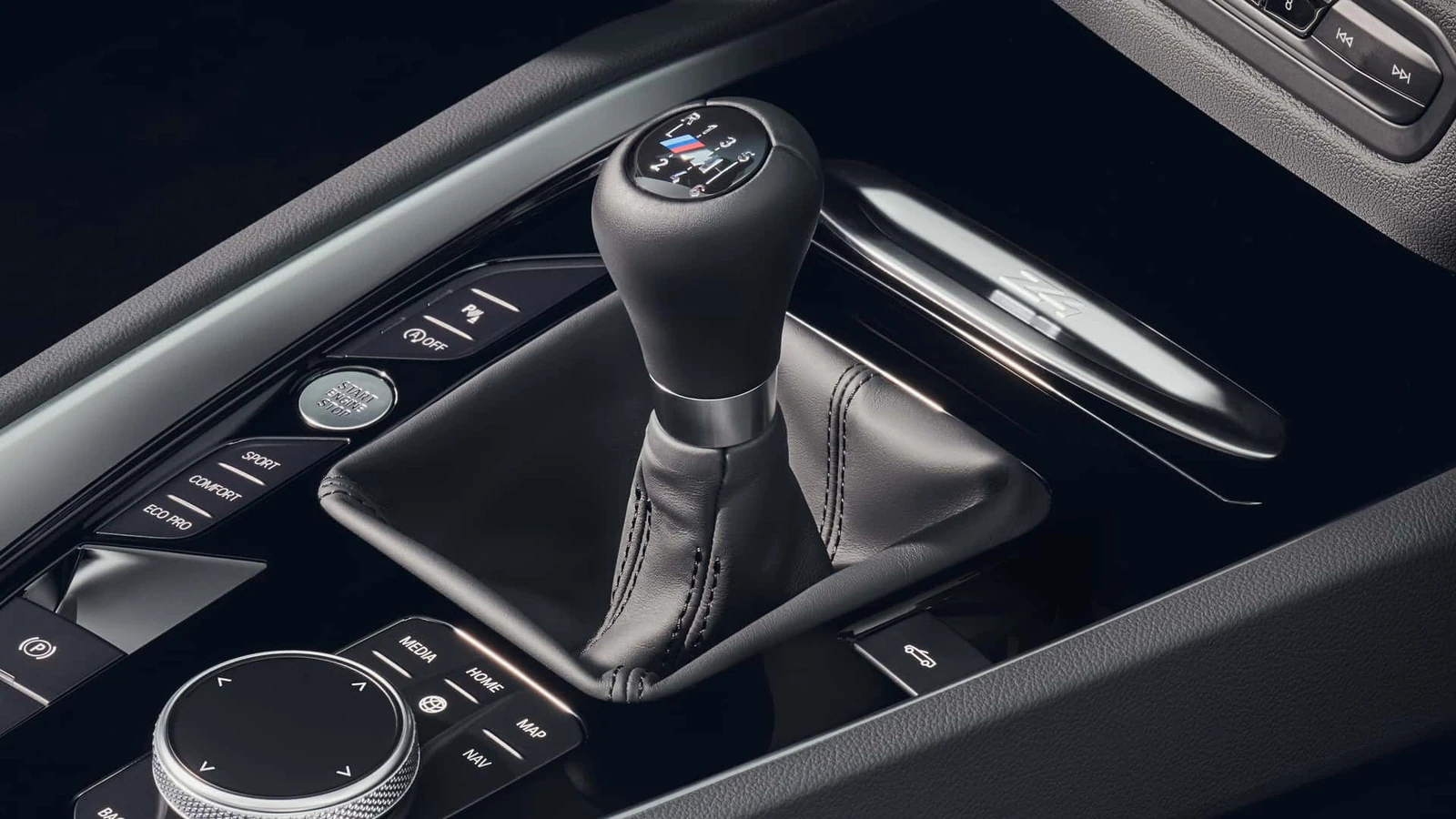
The dashboard can be had with a 12.3-inch infotainment touchscreen paired with an equally large digital instrument cluster in a curved panoramic layout. Hyundai has kept physical controls on the centre console, flanked by long vertical air vents.
The equipment list runs to wireless Apple CarPlay and Android Auto, wireless phone charging and a digital key usable from a smartphone or smartwatch. Comfort kit includes heated and ventilated front seats, heated rear seats, reclining rear seatbacks, dedicated rear vents, a Bose sound system and an opening panoramic sunroof.
Petrol now, hybrid later
At launch the Bayon offers a turbocharged 1.0-litre petrol in 90 hp or 115 hp states of tune, with a six-speed manual or a seven-speed dual-clutch automatic depending on version. The more powerful variant tops out at 180 km/h, the base car at 171 km/h.
The headline change is the full-hybrid powertrain arriving later in the run: a 1.6-litre petrol engine paired with an electric motor and a six-speed dual-clutch transmission, producing a combined 136 hp. It brings adaptive regenerative braking, with steering-wheel paddles to adjust the level of energy recuperation. That is a step up from the mild-hybrid system in the outgoing car.
The two-stage rollout is worth noting for anyone cross-shopping small hybrids: the car launches petrol-only, and the version many European buyers will actually want does not arrive at the same time. Hyundai has not said when later means.
What is still unknown
Hyundai has yet to announce pricing, market-by-market availability or an on-sale date for the new Bayon. Whether it reaches Australia, and at what price, has not been confirmed either.
The overlap with the Kona is the other open question. With the Bayon now larger and far better equipped, Hyundai's smallest crossover sits closer to the car above it than ever, though a wider spread of small crossovers gives buyers more choice rather than less.