Seat's future remains undecided, according to brand chief Markus Haupt, who says a phase-out is one scenario on the table but not the only one. Speaking at the Paris motor show, the Seat and Cupra CEO pointed to continued investment, including new mild-hybrid engines for the Ibiza and Arona next year, as proof the Spanish brand still has a role.
His comments come as parent Volkswagen Group restructures, with documents seen by Autocar suggesting the Seat brand could be axed by 2029.
Haupt acknowledged the reports that emerged from the VW Group restructure but pushed back on the idea that the outcome is settled. "There is not only one way" for Seat, he said, adding that "we have different scenarios on the table, and yes, there is a scenario where a phase-out of Seat could be reality".
Even in that scenario, he moved to reassure owners: customers "can be relaxed", because the brand would still provide 15 years of service for its vehicles. "So there is no real panic about any decision, totally the opposite".
Why Seat's future is under scrutiny
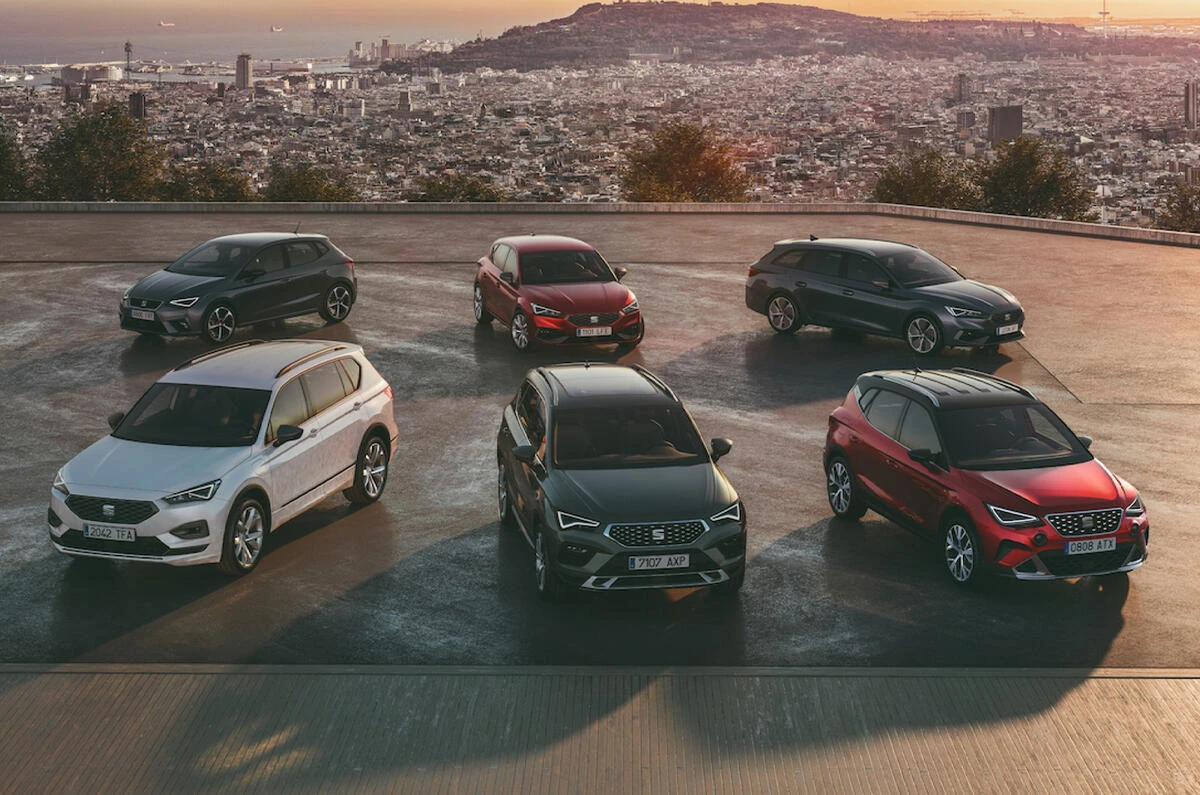
The brand has been the subject of speculation for some time, largely because of the rise of its higher-margin sibling Cupra. Seat's current line-up has narrowed to just two models, the ageing Ibiza and Arona.
The wider context is a major Volkswagen Group restructure that could cut half of the group's model variants, and Autocar has seen documents indicating the Seat brand will be axed by 2029.
Investment continues for now
Haupt argued the brand is performing, not fading. "The Seat Ibiza is our best-selling car in Spain, and the Seat brand has grown share in some markets, so the brand is strong".
He also cited product plans as evidence of commitment: "Next year, we'll launch mild-hybrid engines for Ibiza and Arona, and that is proof we believe in this brand, because we need this brand. Seat is part of our strategy, and we keep investing in Seat".
Regulation will decide the timeline
Asked what would determine Seat's fate, Haupt said there is no fixed date for a decision. CO2 rules already play a big role, he said, but "starting in 2030 it will be even harder".
He flagged flexibility in the rules as a factor that "could directly impact our decision-making", alongside the geopolitical environment, the customer experience and the speed of electrification. "We are working with the scenarios, and I think any date will be determined by regulation and customer behaviour".
The practical upshot for buyers is that a Seat purchased in the next few years would be supported for a long time even in the worst-case scenario, since Haupt has committed to 15 years of service provision. The open question is whether regulators give VW the flexibility to keep a budget brand alive alongside Cupra, or whether the group's variant cull makes two brands in that space redundant.