Electric vehicle sales in the United States collapsed by 30.7 percent through the first nine months of 2026, leaving EVs with just 6 percent of new-car sales, down from 8.5 percent a year earlier. Over the same period Europe's EV share climbed to a record 23.2 percent, up from 17.7 percent.
The two markets have split in opposite directions, and the reasons are mostly policy and product: America lost its purchase incentives and gained looser emissions rules, while Europe gained more than 150 electric models to choose from, including a wave of small EVs priced around €25,000 (about $28,000).
Why American EV demand fell off a cliff
The single biggest cause was the early end of federal clean-vehicle tax credits. Buyers rushed to close deals before the up-to-$7,500 new EV credit and the $4,000 used EV credit stopped applying to vehicles bought after September 30, 2025, pulling sales forward and leaving a hole in 2026.
Policy pressure has eased in other ways too. The Trump administration has moved to roll back parts of federal fuel-economy and greenhouse-gas rules for future model years, which analysts say weakens the regulatory push that supported the industry's big EV investment plans. Softening demand has already shown up in General Motors' own sales figures this year.
There is a product gap as well. Europe now has more than 150 EV models on sale, up from roughly 100 in 2024, and a growing group of small electric cars targeting around or below €25,000 (about $28,000). The US market barely serves that price bracket at all, so American buyers who want an affordable EV have very little to pick from.
The catch for anyone hoping the US numbers rebound quickly is that none of the drivers of the decline has reversed. The credits are gone, the rules are being loosened, and the cheap models have not arrived. For drivers in the market now, the practical consequence is that the post-September-2025 window is a worse time to buy an EV in America than the year before it was, unless a manufacturer discounts to fill the gap the government left.
Tesla lost less than the market, but it still lost
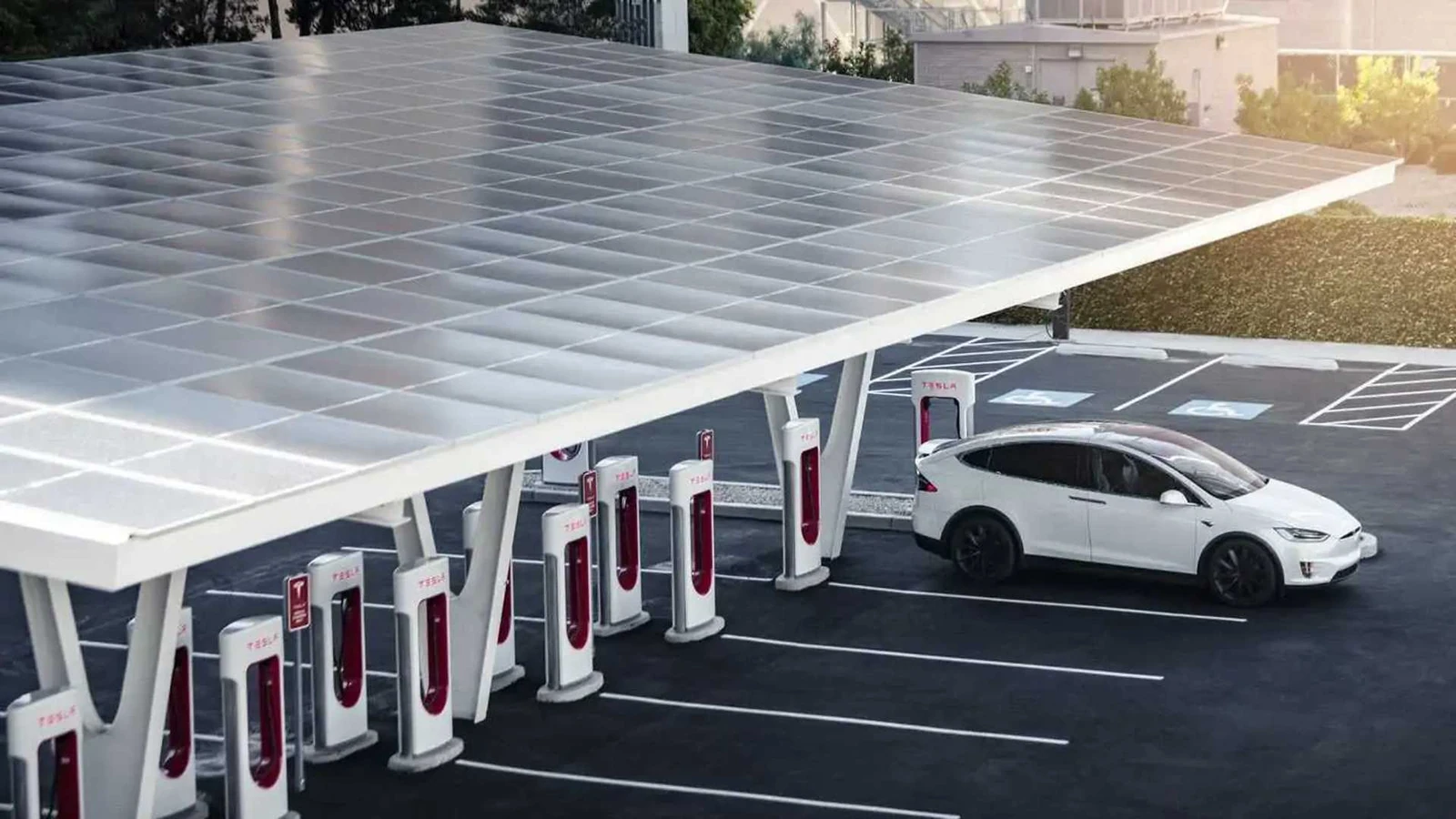
Tesla's US sales fell 14 percent through the first three quarters, well below the segment's 30.7 percent decline. That is relative resilience, not growth: fewer Teslas were sold than a year ago.
Tesla's smaller drop suggests the brand's scale and loyal buyer base cushioned it while less established EV sellers absorbed the worst of the post-incentive slump. But a 14 percent fall in a shrinking market is still a fall, and it hints that even the strongest US EV brand could not fully escape the pull-forward effect of the credit expiry.
Hybrids are the clear winners
US hybrid sales climbed 23 percent through the first three quarters and now make up 15.6 percent of total sales. Buyers who still want better fuel economy are choosing a cheaper compromise that needs no charger over a full battery electric car.
That is the quiet story inside the EV slump: the demand for efficiency did not vanish, it just moved to a different powertrain. For carmakers with strong hybrid lineups, the American market is rewarding exactly the cars they already build. For EV-only players, it is a reminder that the US buyer in 2026 wants savings at the pump without the charging infrastructure commitment.
Europe's record run, and who is winning it
European EV share reached 23.2 percent through September, up from 17.7 percent a year earlier. The growth builds on a trend already visible at the end of last year, when EVs outsold pure petrol cars in Europe for the first time, and nine months of 2026 data confirm it was no one-month blip.
Several forces stack in Europe's favour: purchase incentives or tax breaks still run in a number of countries, fuel prices are higher across the continent, and the model choice has expanded dramatically. Volkswagen's new low-cost EVs have already pulled in nearly 150,000 orders in Europe.
The contrast with the US is starkest at the affordable end. Kia's $31,000 EV3 competes in one of the few bright spots for cheap electric cars stateside, while Europe's sub-€25,000 segment simply has no US equivalent at scale.
The smarter read for buyers is geographic, not just temporal. A European shopper in 2026 has more electric choice at lower prices than at any point in the market's history. An American shopper has fewer incentives, a thinner lineup and a market that has retreated to hybrids. Until cheap EVs arrive in volume in the US, the two markets will keep diverging, and manufacturers with flexible powertrain strategies, Toyota and the hybrid-heavy Koreans among them, are the ones best placed to profit on both sides of the Atlantic.