Porsche will pull the covers off a new supercar concept called the Mission S at 21:30 on Thursday 15 October, and the company has signalled it is a petrol-powered flagship rather than another electric study. The car is expected to preview the first model on a new super-sports car platform that chief executive Michael Leiters confirmed last week, and to sit in the lineage of the Carrera GT and 918 Spyder above the 911.
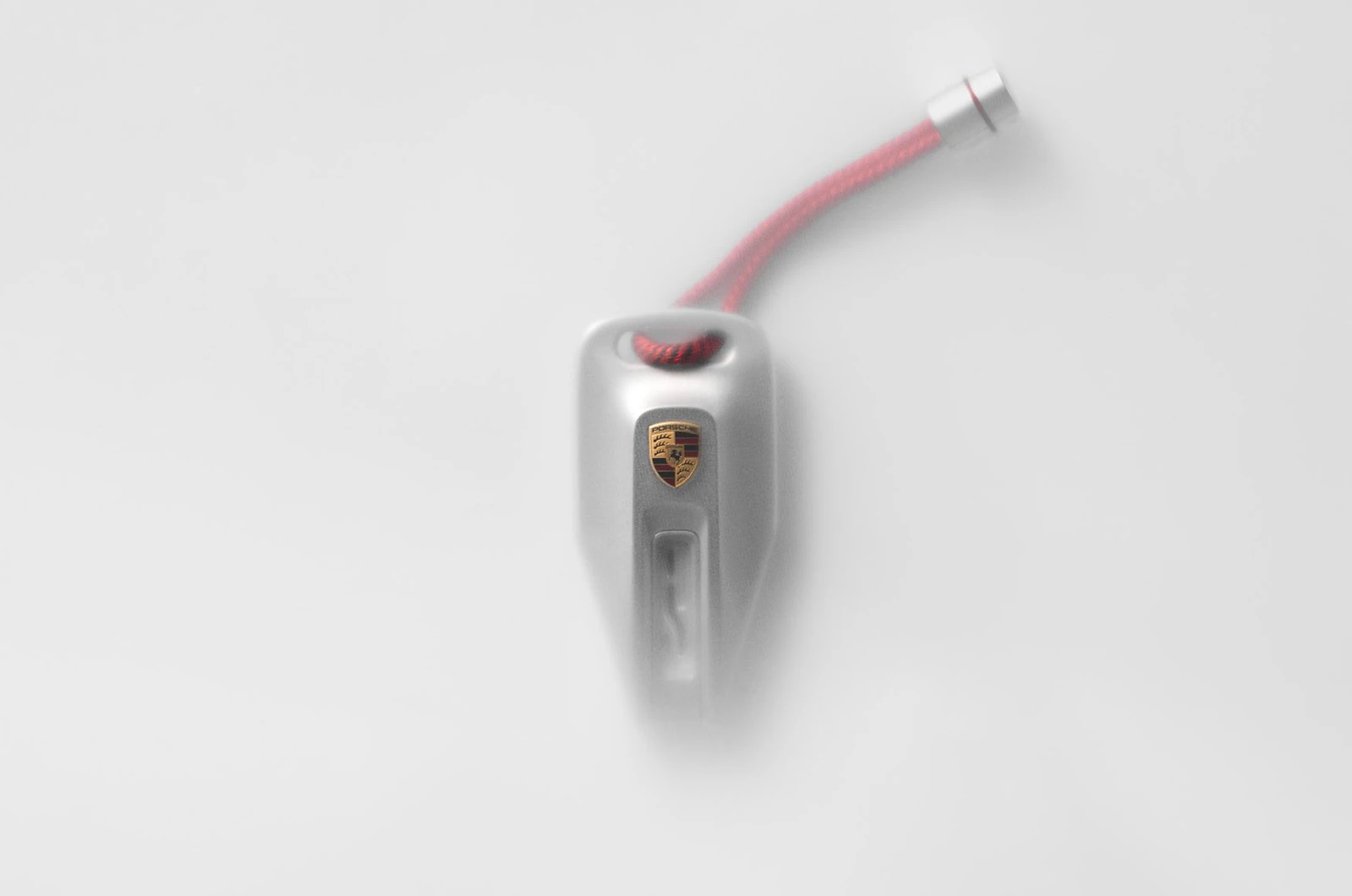
Porsche has released almost nothing about the car itself beyond a single image of its physical start key, which hints at a deliberately analogue, driver-focused character. Pricing, engine specifications and performance figures have not been announced.
A combustion flagship, distinct from the VW Group's mid-engined cars
Leiters has said the future super-sports car will be purely combustion-powered and mechanically distinct from the mid-engined models sold by Lamborghini and Audi, although some parts could be shared by leveraging synergies across the VW Group brands. That matters because Porsche's last two halo cars, the Carrera GT and 918 Spyder, defined their eras; a clean-sheet petrol platform signals Porsche is willing to fund a bespoke flagship even while it cuts costs elsewhere.
The Mission S also marks a change of direction from the Mission X show car of 2023, which previewed a potential electric supercar flagship but never progressed past the concept stage. The petrol route suggests Porsche has concluded the halo-car audience still wants an engine, at least for now.
It sits inside the Sportwagensmiede 35 turnaround plan
The concept arrives against the backdrop of a sweeping recovery plan called Sportwagensmiede 35, unveiled after Porsche's revenues and profits slumped in 2025. Leiters, who joined from McLaren last year, says the strategy will make Porsche significantly more efficient, productive and profitable, with a break-even point below 200,000 units a year.
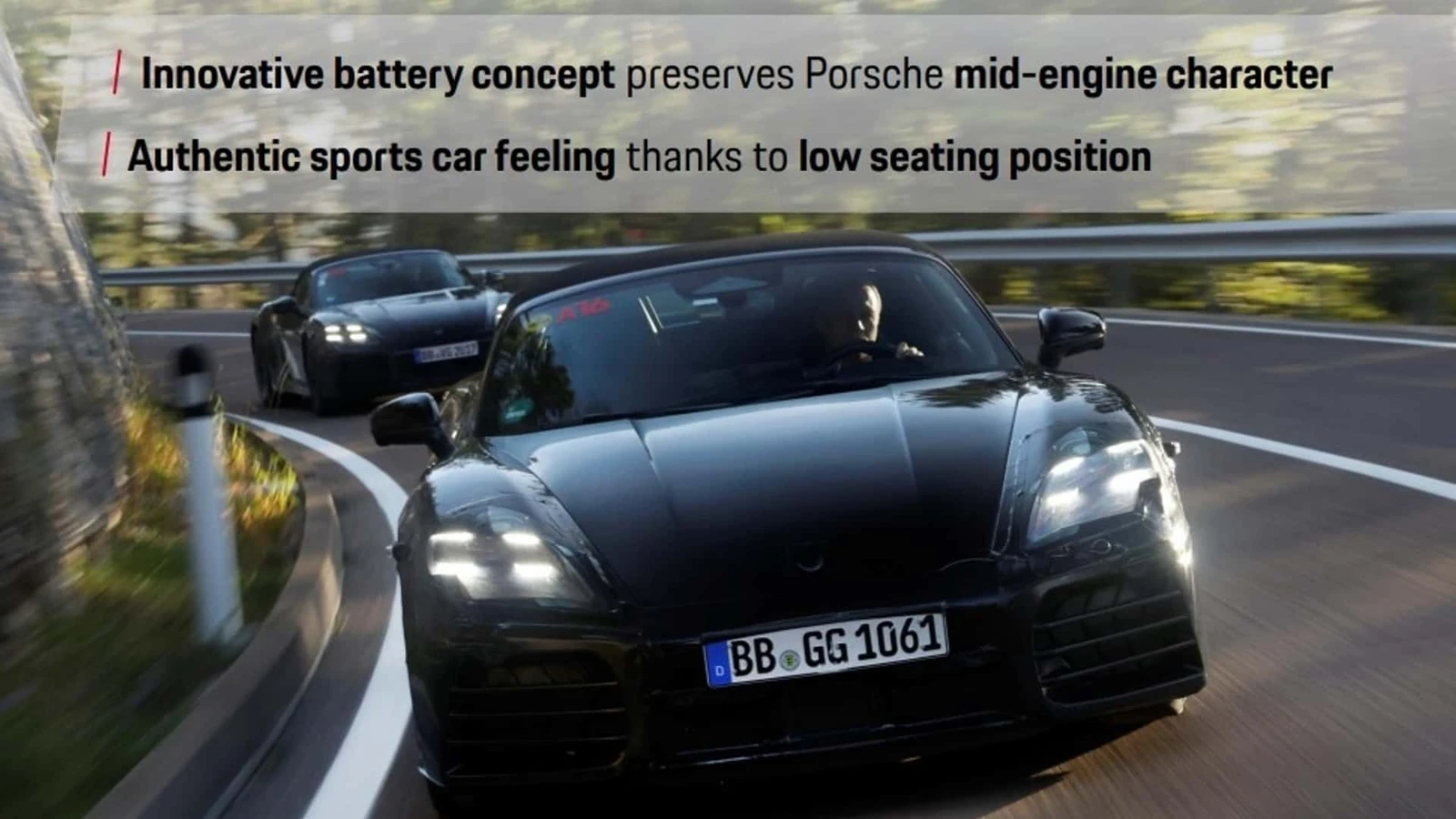
The product side of the plan leans on heritage and high-margin models: a roughly 2:1 balance of combustion and electric cars, a 20% cut in variant count, and a push for D/E segment models to reach about 45% of the portfolio. Alongside the super-sports car, Porsche has confirmed a combustion SUV alongside the Macan Electric in 2028 on the VW Group's PPC platform, twinned with the Audi Q5, a larger SUV above the Cayenne aimed at the US, electric-only 718 Boxster and Cayman successors in 2027, and new high-end 911 derivatives.
Leiters has also promised the 911 will never be electric, and that range-topping variants will carry roughly 20% higher average selling prices by adding value rather than simply charging more. The Mission S fits that pattern: a brand-defining halo product of the kind Porsche says it will launch at least one of every year through 2030.
Cost cuts and a smaller footprint behind the glamour
The operational side is less romantic. Porsche targets development cost reductions of up to 20% on future models, personnel cost cuts of about 30%, and a 40% reduction in management positions, with a socially responsible reduction of 9000 jobs agreed with unions under a Future Package. The firm has also divested stakes including Bugatti-Rimac, the MHP consultancy and its e-bike business, and will restructure from five sales regions to four.
Market strategy is changing too: rather than fighting to recover sales in China, once its largest market, Porsche aims for the Americas and Europe to each take about 35% of sales, with China and other markets around 15% each. Funding a bespoke supercar platform while shrinking the company is a bet that desirability, not volume, will carry the brand through the turnaround.
What is still unknown
Porsche has confirmed no details of the Mission S's design, positioning or mechanical make-up, and no price has been announced. Whether the concept leads directly to production, and what engine or engines it would use, has not been revealed; those questions should be answered at Thursday's debut.