INDEPENDENT AUTOMOTIVE NEWSGLOBAL PERSPECTIVE / AUSTRALIAN EDITION
TDCNTHE DAILY
CAR NEWS.

The road ahead.
Every day.

RSS ↗
Latest/New cars

509 original articles

New cars / TDCN ORIGINAL

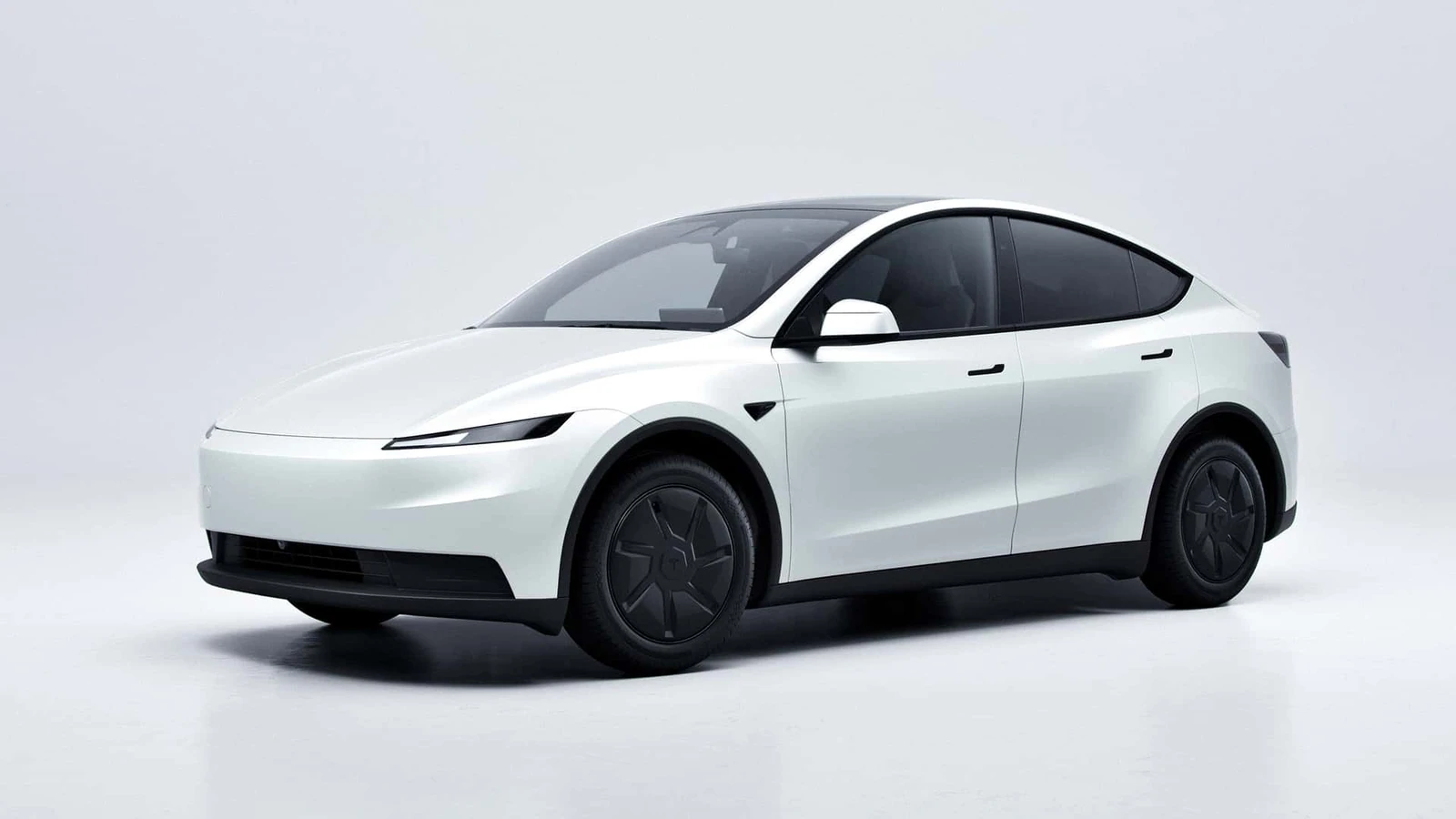
Tesla drops the entry-level Model Y AWD, pushing dual-motor buyers to a $51,630 trim

The roughly $42,000 dual-motor Model Y has vanished from Tesla's configurator less than a year after launch, leaving the $41,630 rear-drive version as the line-up's cheapest car.

Tesla has removed the cheapest all-wheel-drive version of the Model Y from its online configurator, ending a variant that had been on sale for less than a year. Buyers who want a dual-motor Model Y now face the Premium AWD trim, which starts at $51,630.

The discontinued model had been priced at roughly $42,000. The rear-wheel-drive Model Y remains on sale at $41,630, so the gap between the cheapest Model Y and the cheapest all-wheel-drive one has widened by close to $10,000.

A short-lived variant

Tesla introduced the Model Y AWD in February, at the same time it dropped the "Standard" badge from its most affordable offerings. That launch followed the October 2025 debut of the budget-oriented Model 3 Standard and Model Y Standard, which were rear-wheel-drive-only takes on the company's best-selling EVs. The Premium and Performance names remain in use on the higher trims.

The dropped car shared its battery with the single-motor Model Y RWD, giving it the shortest claimed range in the line-up: an EPA-estimated 294 miles on a full charge. That is 54 miles less than the most affordable rear-driven Model Y currently on sale.

Its two motors made it quicker than the single-motor car despite roughly 200 pounds of extra weight, with a claimed zero-to-60-mph time of 4.6 seconds, 2.2 seconds ahead of the rear-drive version. The trade-off was clear: buyers paid a small premium over the RWD for acceleration and all-weather traction, and gave up a large chunk of range to get it.

What the remaining base car offers

The $41,630 rear-drive Model Y stays as the entry point to the range. It comes with redesigned front and rear lights, passive shock absorbers and a maximum charging power of 225 kilowatts.

Tesla has stripped equipment to hit that price. The audio system has fewer speakers, the seats mix vegan leather and cloth, and there is no FM radio, no rear screen and no ventilated seats, with heating limited to the front seats. The glass roof is fitted but covered entirely by a headliner.

For anyone cross-shopping the two, the decision now comes down to whether all-wheel drive is worth both the extra spend and the specification jump. The base car's charging rate and cabin fittings are the clearest signs of where Tesla has saved money.

A shrinking line-up

The Model Y AWD is the latest model to leave Tesla's passenger-car range as the company narrows its portfolio. The Model S and Model X were axed earlier this year, and their production line has been removed from the factory to make room for robots.

More recently, CEO Elon Musk said the Cybertruck would be retired next year, leaving only the top Cyberbeast trim at $109,990 until then. Tesla has no plans to replace the Model S and Model X, and the two-seat Cybercab will take over the Cybertruck's floor space.

The pattern is a company concentrating on fewer, higher-volume products while clearing space for automation. For buyers, the practical effect is a narrower set of choices at the bottom of the Model Y range and a higher entry price for anyone who wants a second driven axle.
Open this article ↗
New cars / TDCN ORIGINAL

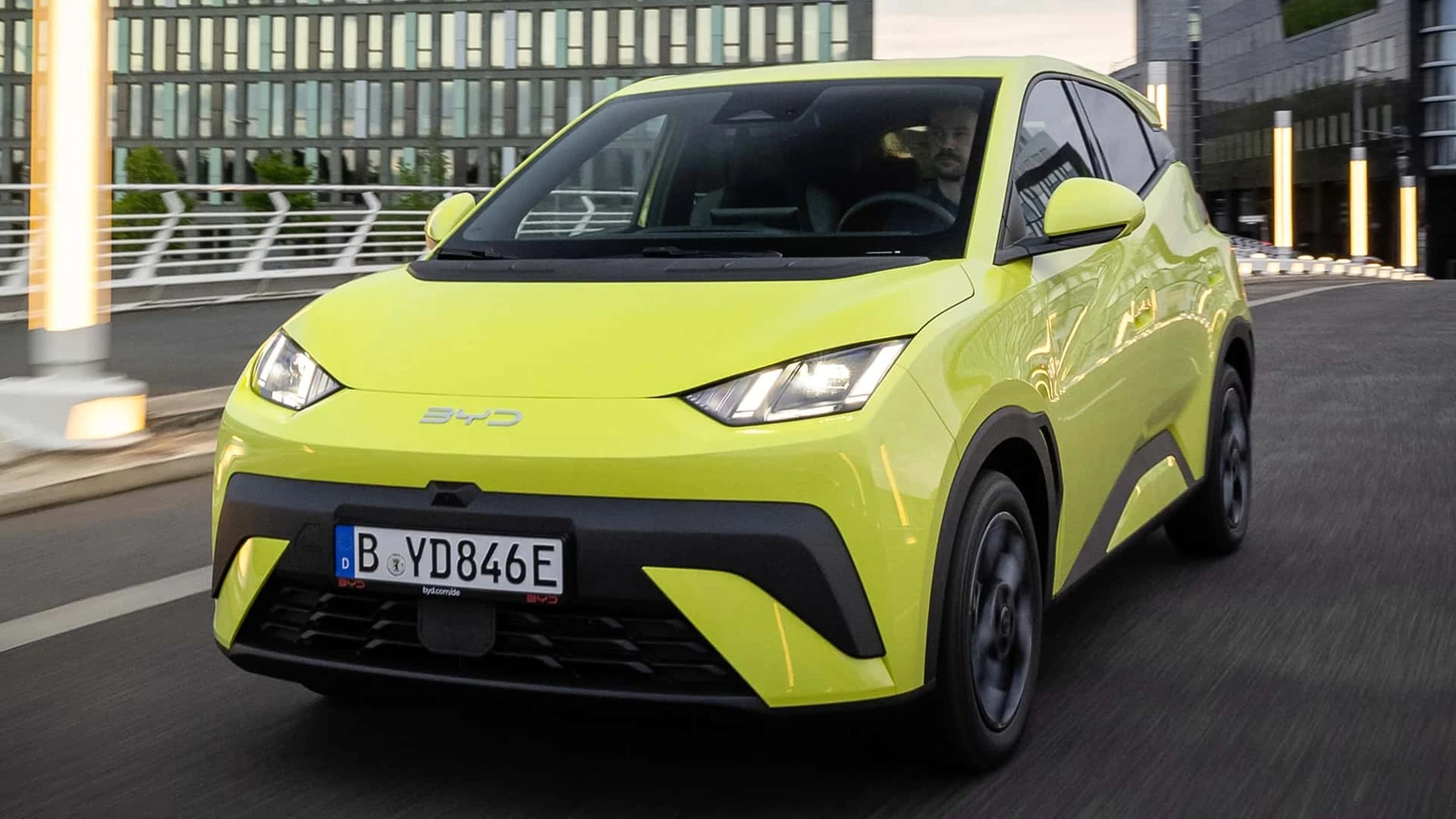
Germany restricts connected Chinese cars at Bundeswehr sites over sensor data fears

Defence ministry says the limits target connected vehicles generally, not named brands, and local security officers decide access site by site.

Image: Motor1

Germany's armed forces are turning away some connected Chinese cars from sensitive Bundeswehr sites, with BYD, Nio and Geely models among those affected, over what their cameras and sensors might record. The defence ministry says the restriction applies to connected vehicles broadly rather than to a named list of brands or countries, and that soldiers driving an affected car must park outside and walk in.

What the restriction actually covers

Defence ministry spokesperson Mitko Müller told a government press conference on November 11 that local security officers set access rules site by site. A connected car might be kept out of one restricted zone while still parking in a lot farther from sensitive buildings.

That local discretion means there is no single published list of banned models, and officials have not confirmed whether brands beyond BYD, Nio and Geely are involved. The ministry named cameras, microphones, radar and ultrasonic sensors as the equipment behind the concern, all of it hardware that gathers data about a car's surroundings for parking assist or driver monitoring. Near a barracks, the same kit could map layouts, routines and equipment.

The rules are not limited to electric cars. They apply to any connected vehicle carrying that sensor suite, whatever its powertrain or country of origin. That breadth is why scrutiny has widened beyond a single automaker, and why Geely's German exposure runs further than its own badge, through Volvo, Polestar, Lynk & Co, Zeekr, Lotus and its joint ownership of Smart with Mercedes-Benz.

Unconfirmed intelligence assessment behind the move

Bloomberg reported that people familiar with a nonpublic counterintelligence assessment said Germany barred certain vehicles from bases because their signals could potentially collect and pass on data. Two days earlier, Der Spiegel reported that lists circulating inside the Bundeswehr name specific Chinese models barred from facilities classified as security areas.

Stuttgarter Zeitung reported that no publicly substantiated evidence shows any of these cars sent Bundeswehr data to Chinese intelligence services, and the entry limits are described as precautionary. That distinction matters for drivers: the restriction is a gate policy built on risk, not a finding of wrongdoing, so the practical effect is a longer walk from the car park rather than a recall or a sales ban.

A separate drone decision, and a widening pattern

The vehicle restriction sits apart from an already confirmed decision: the Bundeswehr will stop using Chinese-made drones for training and replace them with German or other European models, covering future training and exercises.

Germany is not alone. Poland restricted Chinese-made vehicles at military facilities in February, covering any car able to record location, video or sound unless those functions are switched off. In October, the US military barred privately owned BYD vehicles from entering Kadena Air Base in Okinawa, Japan, citing security risks tied to the same sensor categories.

For buyers, the signal is that connected-car scrutiny is becoming a facilities-level question as much as a trade one. A car's sensor suite can now determine where it is welcome, independent of how it is powered or where its badge was designed.

Open this article ↗

Keep scrolling to read the next story.

Older articles →