INDEPENDENT AUTOMOTIVE NEWSGLOBAL PERSPECTIVE / AUSTRALIAN EDITION
TDCNTHE DAILY
CAR NEWS.

The road ahead.
Every day.

RSS ↗
Latest/Electric

505 original articles

Electric / TDCN ORIGINAL

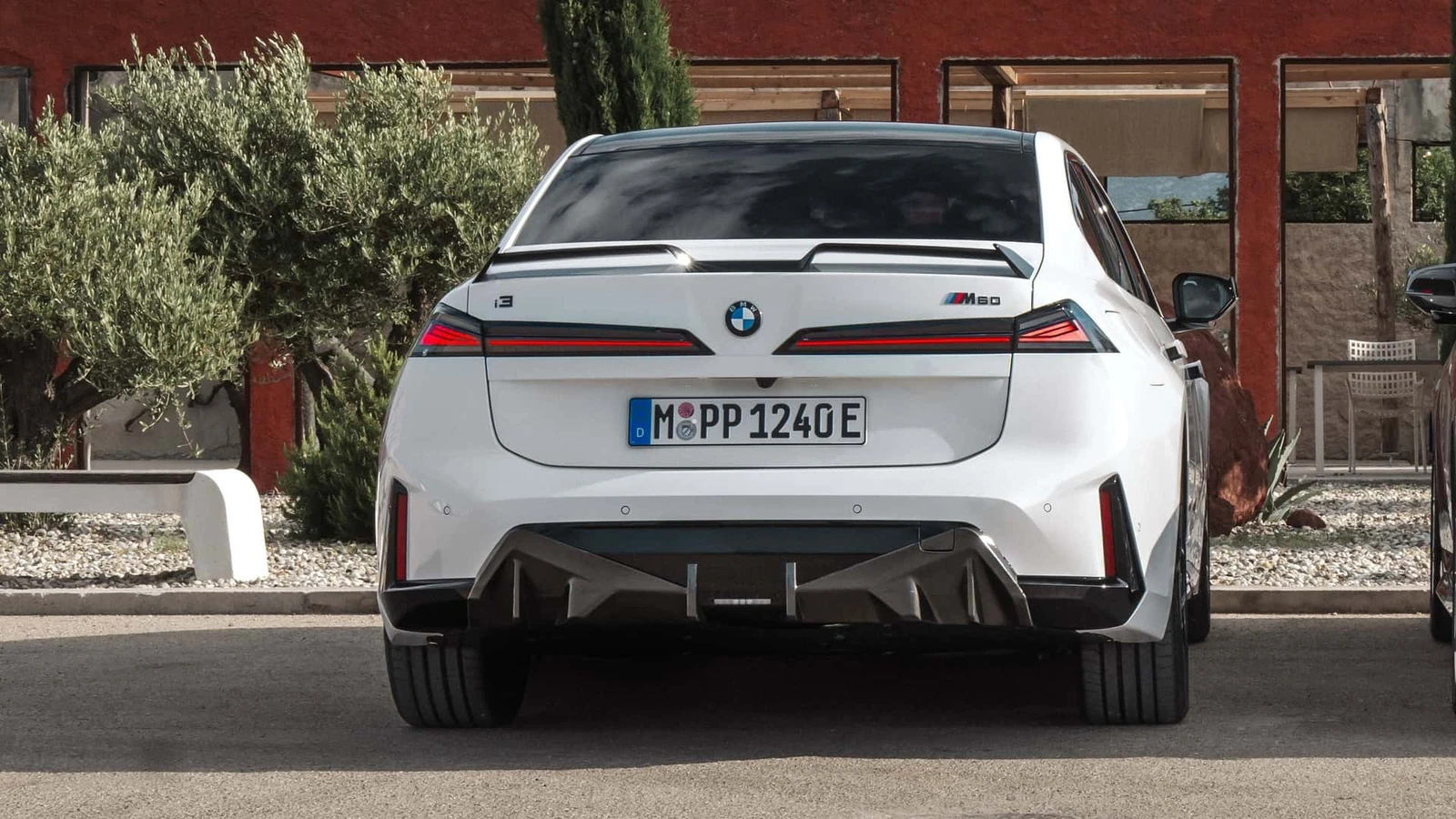
BMW adopts simulated gear shifts on the i3 M60 after calling Hyundai's version a gimmick

The M Performance electric sedan gets paddle-controlled "Stages" and an artificial soundtrack from next year, but BMW has not said how many stages there are.

Image: Motor1

BMW will introduce simulated gear changes on the i3 M60 xDrive next year, reversing its earlier dismissal of the technology as a "funny gimmick" when Hyundai launched it on the Ioniq 5 N. The system uses steering-wheel paddles to trigger artificial shifts that BMW calls "Stages" rather than gears.

The feature was signposted in official i3 M60 images released at the end of September, one of which showed red-accented shift paddles behind the steering wheel, although BMW M did not detail the technical specifications at the time.

Why BMW changed its mind

BMW senior driving dynamics engineer Christian Heiss told Australian publication Carsales that the company's first reaction to Hyundai's setup was scepticism: "We at BMW thought: well, that's a funny gimmick. We're in an electric world; why copy things out of the combustion engine?" Engineers focused on driving dynamics argued the case instead, saying paddle shifting brings drivability and feedback benefits, particularly on track.

BMW M head of development Alexander Karajlovic told British magazine PistonHeads that conventional gears give drivers feedback an EV otherwise lacks, and the aim is to keep that advantage without the drawbacks of a real gearbox. The company tested the Hyundai Ioniq 5 N and other performance EVs before deciding to proceed with its own interpretation.

Heiss described the result as close to a gearbox simulation without being called one: "everyone hoping for a gear shift simulation will be happy with this, hopefully even more than happy".

How BMW's system differs from Hyundai's

Hyundai's N e-Shift artificially limits torque according to the selected ratio. BMW's version will not: the electric M3 is set to deliver the same torque throughout, so drivers get the sensation of shifting without an artificial performance cap. That distinction matters because it keeps the car's full output available at all times, making the feature an engagement device rather than a lap-time variable.

BMW has not revealed how many Stages the system will offer. The i3 M60 will also come with an artificial soundtrack to accompany the simulated shifts.

What the i3 M60 is expected to deliver

The dual-motor i3 M60 xDrive is expected to match the iX3 M60 with 603 horsepower and 645 lb-ft (875 Nm) of torque. Weighing less than the SUV, the sedan could accelerate to 62 mph (100 km/h) slightly quicker than the iX3 M60's 3.9 seconds, and its more aerodynamic shape could yield better range than the iX3 M60's WLTP-rated 468 miles (754 km). BMW quotes a 149 mph (240 km/h) top speed for the high-riding model. Those sedan figures are expectations rather than confirmed numbers.

Reserved for M cars

Simulated shifting will not spread across the whole i3 range. Heiss confirmed it is reserved for M Performance models, starting with the M60. The full electric M3, due in 2027 with more power and an already confirmed quad-motor setup, is expected to get it too.

BMW is not alone in adding fake shifts: Porsche offers simulated gear changes in the Taycan and Mercedes-AMG in the GT 4-Door Coupe, both with artificial engine sounds through the speakers. For buyers weighing an electric performance sedan, the pitch is engagement rather than extra speed, and BMW's version stands apart by leaving torque untouched.
Open this article ↗
New cars / TDCN ORIGINAL

Volkswagen teases 2027 T-Roc R with quad exhausts and wider wheels

Camouflaged prototypes preview the hot compact SUV, but Volkswagen has not confirmed its engine, price or a US launch.

Image: Motor1

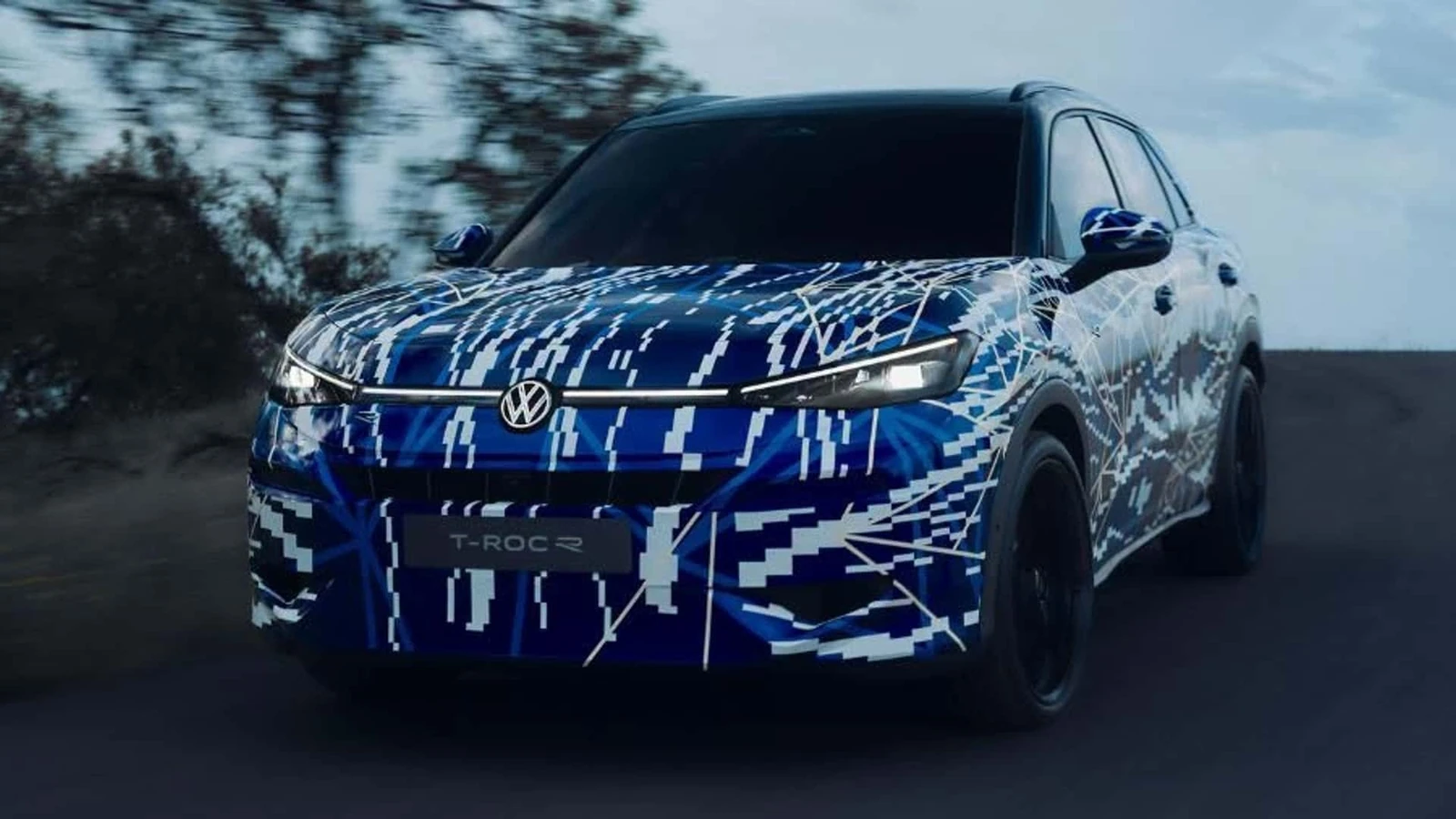
Volkswagen has released camouflaged prototype images of the 2027 T-Roc R, showing quad exhaust tips, a reworked rear bumper and wider wheels than the standard T-Roc. The teaser arrives with multiple reports placing a full reveal before the end of this month, though Volkswagen's R division has published the images on social media without a specifications sheet.

What the prototype images show

The test car wears a body kit with sharper lines than the outgoing T-Roc R, along with wheels that appear both larger and wider. At the rear, a revised lower bumper houses two separate pairs of exhaust outlets, four tips in total. Spy shots reportedly show 19-inch wheels on the test mule, which would separate it further from lesser T-Roc trims.

Quad pipes are the clearest visual signal of performance intent here, since Volkswagen does not fit them to a mild-mannered SUV. The new T-Roc itself reached European showrooms in late 2025, built on the MQB evo architecture it shares with the updated Golf. That shared platform is what makes an R variant possible, and it is why enthusiasts have tracked this prototype since Volkswagen's earlier teaser last November.

Engine remains unconfirmed

Outlets covering the prototype are working from one assumption: that the T-Roc R borrows the current Golf R's turbocharged 2.0-litre four-cylinder and all-wheel drive, rated at about 328 horsepower and 310 pound-feet of torque. If that transplant happens, it would be a real step up from the outgoing T-Roc R, which topped out at about 296 horsepower and 295 pound-feet. Volkswagen has not confirmed the engine swap, so the Golf R comparison stays the industry's best guess.

A 48-volt mild-hybrid system is also speculated as a likely addition, driven by tightening emissions rules. Neither the powertrain nor a final name for what sits under the camouflage has been announced.

US launch and electric future still open

A US arrival is not confirmed, and neither is pricing or the market rollout plan. The bigger question hanging over the program is whether this generation becomes Volkswagen's last new petrol-powered R model before the brand's hot hatches and SUVs pivot to electric architecture; nothing about that transition timeline has been confirmed.

For buyers, the prototype confirms the shape and the hardware visible on the outside, not the numbers that decide whether it is worth waiting for. The reveal expected this month should settle the engine question, and until then the Golf R comparison is a reasonable benchmark rather than a specification.

Open this article ↗

Keep scrolling to read the next story.

Older articles →