INDEPENDENT AUTOMOTIVE NEWSGLOBAL PERSPECTIVE / AUSTRALIAN EDITION
TDCNTHE DAILY
CAR NEWS.

The road ahead.
Every day.

RSS ↗
Latest/Electric

521 original articles

Electric / TDCN ORIGINAL

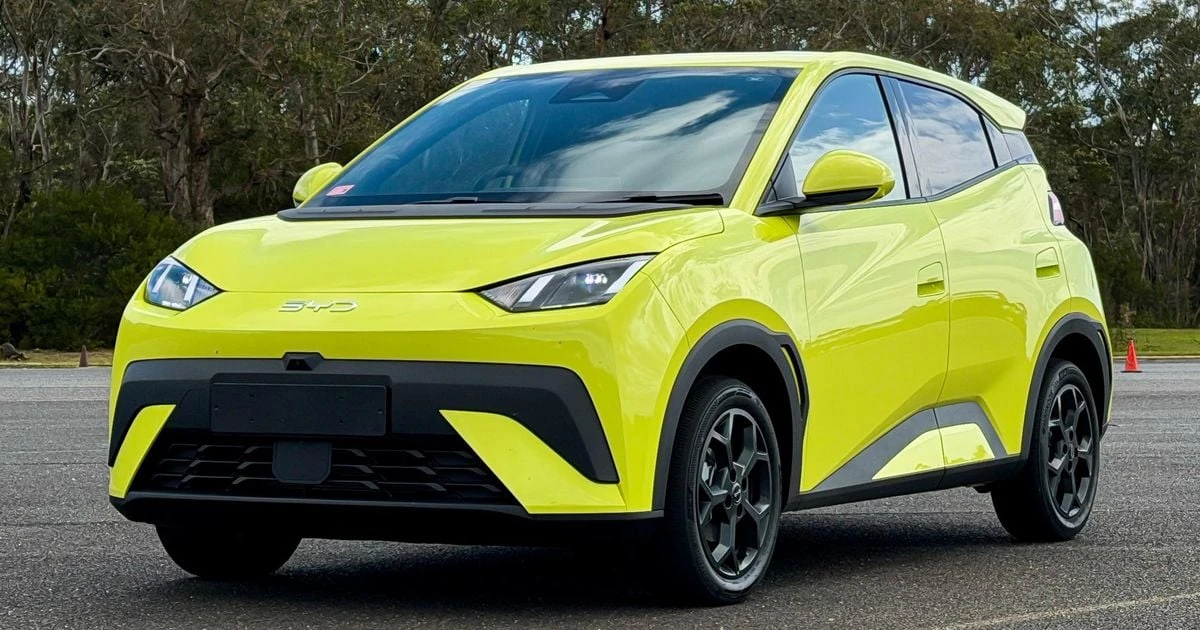
BYD Atto 1 named cheapest car to own and run in Queensland

RACQ's 2026 running costs report puts the electric hatch ahead of every petrol model, the first EV to top its rankings.

The BYD Atto 1 has become the first electric vehicle to be named the cheapest car to own and run in Queensland, according to the Royal Automobile Club of Queensland's 2026 Vehicle Operating Costs Report. The entry-level Atto 1 Essential was calculated at $751 a month to own and operate over five years, a figure that excludes its current promotional pricing.

RACQ's report puts the Atto 1 Essential's five-year total at $45,037, against $50,038 for the cheapest petrol model it assessed, the Chery Tiggo 4 Urban small SUV. That gap of roughly $5,000 over five years works out to about $1,000 a year, which RACQ says the electric hatch could save motorists compared with the cheapest petrol option.

How the running costs break down

The RACQ figure of $751 a month includes $54 in monthly charging costs and is based on the Atto 1 Essential's $23,990 list price, which the report puts at $26,354 on the road. The calculation uses a private buyer with conventional finance over five years and covers loan repayments on the initial purchase, scheduled servicing, annual registration and insurance, plus the energy needed to run the car 15,000km a year.

The current promotional price of $19,990 drive-away is not factored in, so the Atto 1's real-world advantage over petrol rivals is likely larger than the headline number suggests. Location matters too: the same Atto 1 Essential was calculated at $888 a month in Western Australia, about $137 more than in Queensland, reflecting different state registration and insurance costs.
The BYD Atto 1's budget-friendly packaging is central to its cheapest-to-run title in Queensland.
The BYD Atto 1's budget-friendly packaging is central to its cheapest-to-run title in Queensland., Image: CarExpert

A split result across the motoring clubs

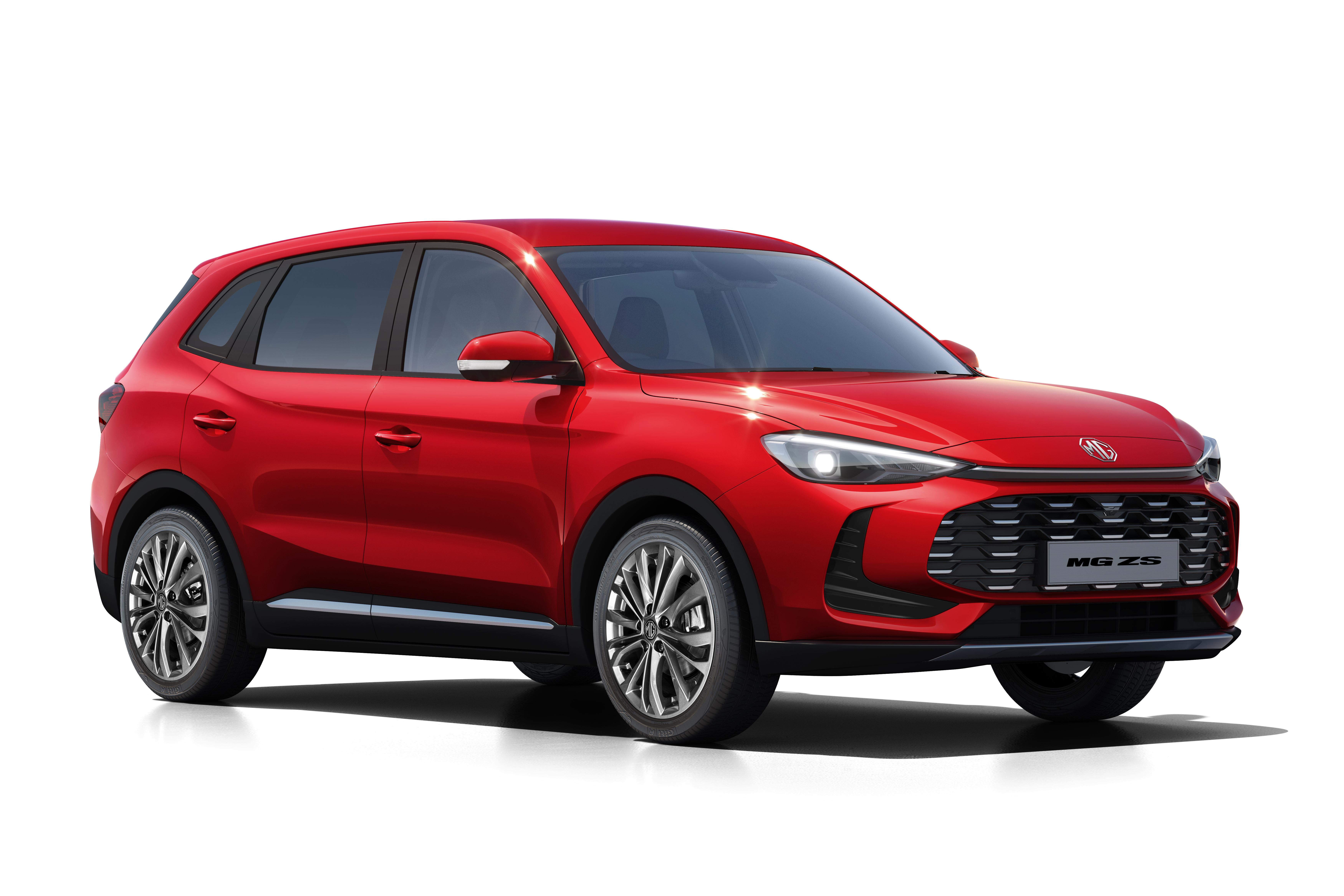
The picture is not uniform nationally. The Royal Automobile Club of Western Australia also ranked the Atto 1 as the cheapest small passenger car in its own annual running costs report published this month, but its overall rankings placed the petrol-powered MG ZS Vibe small SUV slightly ahead of it. The BYD Dolphin electric hatch, which topped the RAC WA rankings last year, has been displaced at the top.

RACQ also compared two utes and found the electric Toyota HiLux SR5 BEV cheaper to own and operate overall than a Ford Ranger Wildtrak diesel across five years. That result cuts against the assumption that electric drivetrains only pay off in small, cheap cars.
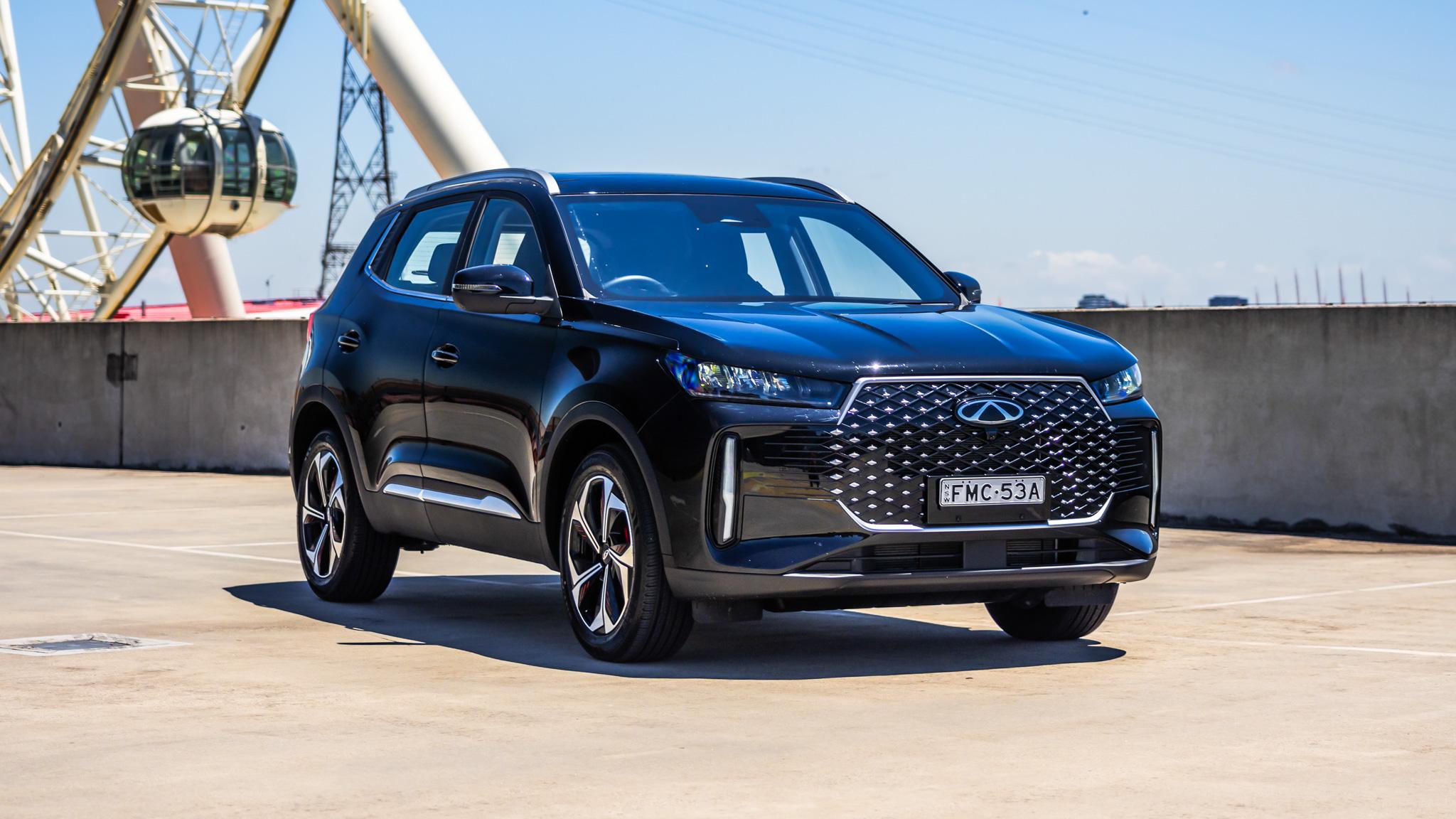
Rival models in the comparison show how the Atto 1 stacks up against other small SUVs.
Rival models in the comparison show how the Atto 1 stacks up against other small SUVs., Image: CarExpert

Why the ranking matters for buyers

RACQ Principal Economic and Affordability Specialist Dr Ian Jeffreys said purchase price, loan repayments and fuel or charging costs together are making EVs and plug-in hybrids a much stronger proposition for motorists. He cautioned that a cheap car is not always the right car, and that buyers should still check safety, security and suitability before deciding.

That caveat is the useful part of the result. A running costs ranking measures one thing well: the recurring cost of putting a particular car on a particular state's roads. It does not measure crash safety, insurance risk beyond the premium used in the calculation, or whether a small hatch suits a household's needs. The smarter move for buyers is to treat the Atto 1's win as a strong signal on affordability and then check the rest of the package separately.

The result also reframes the EV cost argument in Australia. The Atto 1 did not win because of a purchase price advantage, since its list price sits above the cheapest petrol SUV in the comparison. It won on the combination of charging costs, servicing and the other running expenses over five years. For drivers who cover around 15,000km a year and finance a car conventionally, that is the calculation that matters.
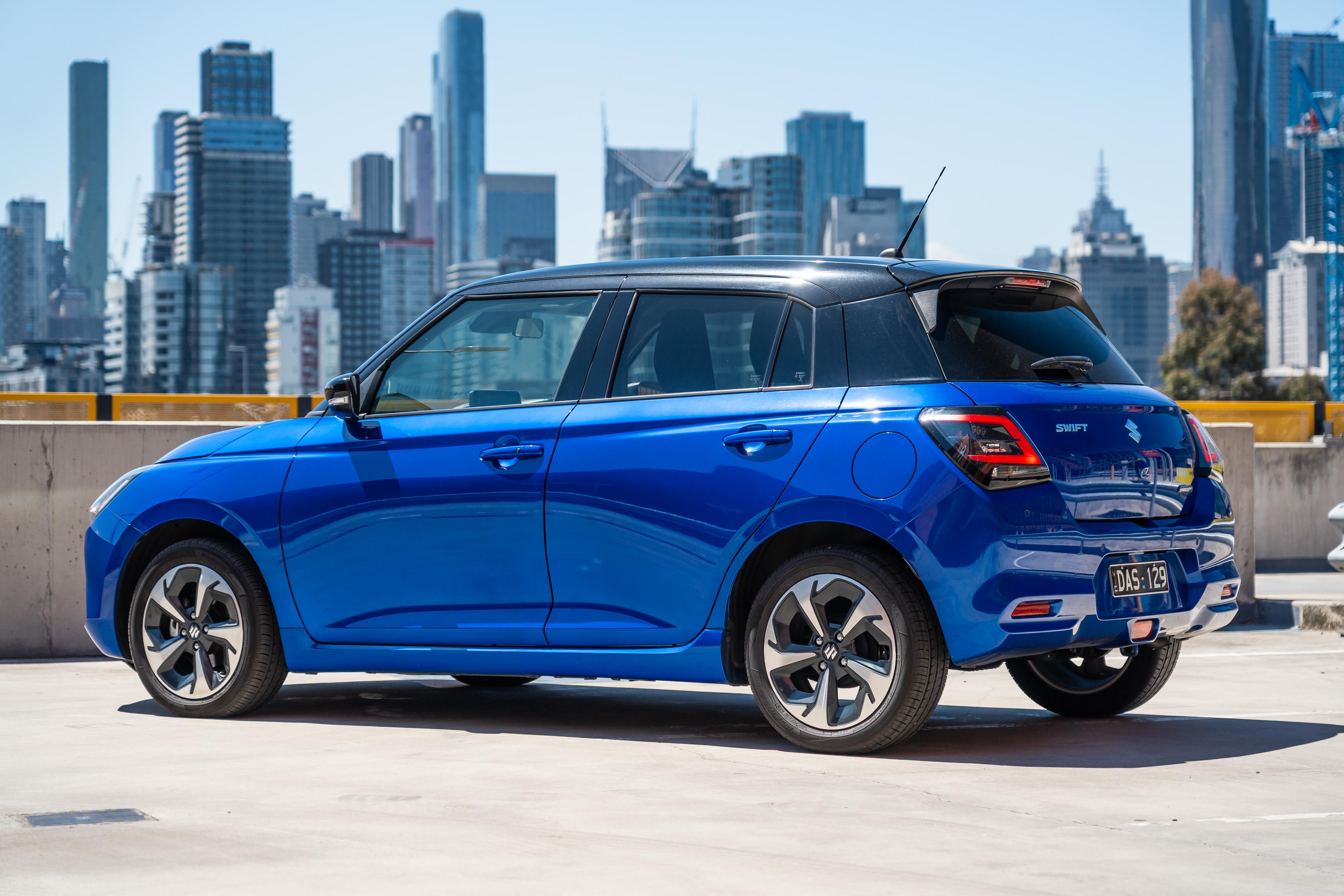
The Swift's presence in the rankings highlights the split verdict among motoring clubs.
The Swift's presence in the rankings highlights the split verdict among motoring clubs., Image: CarExpert
Open this article ↗
Industry / TDCN ORIGINAL

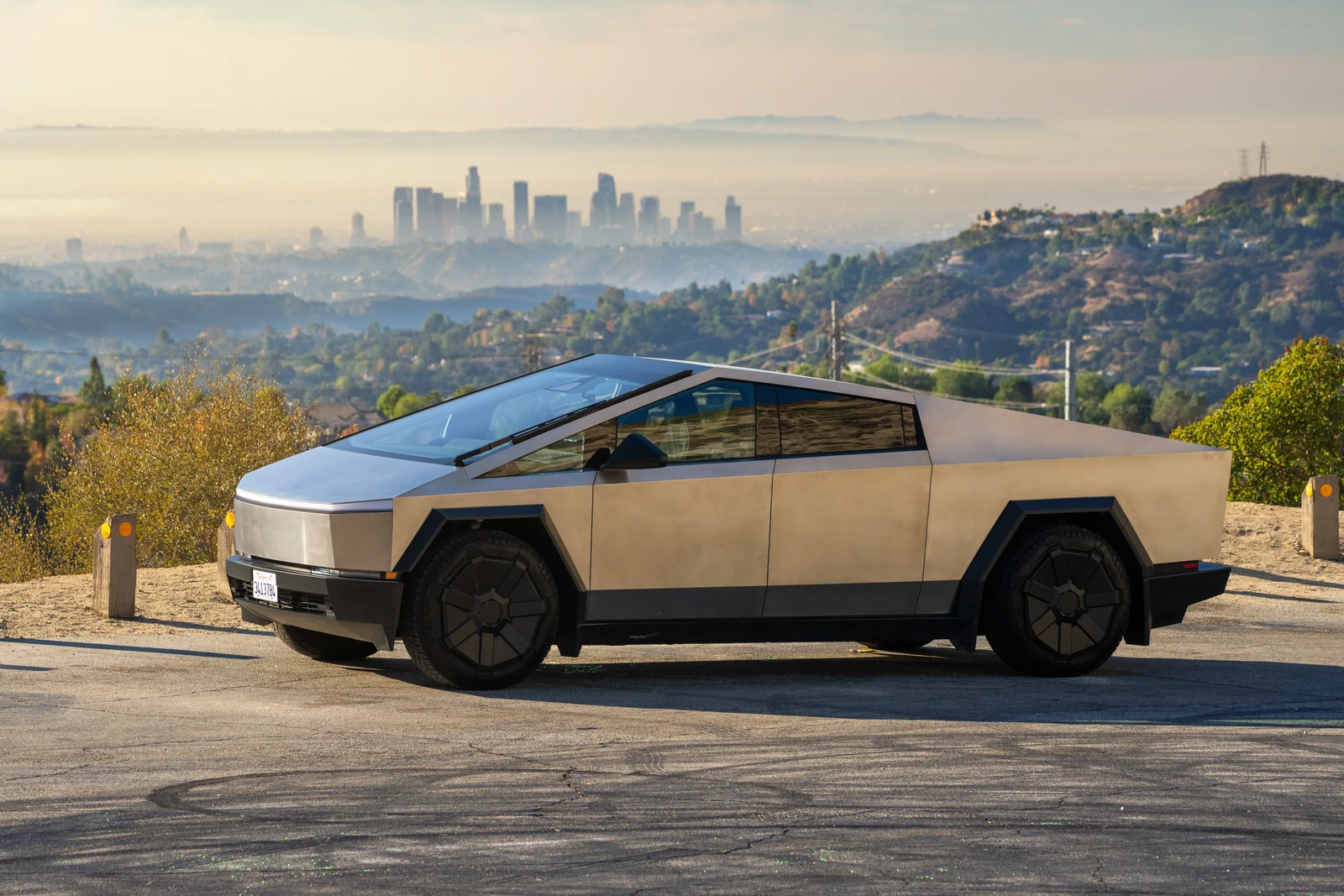
Tesla extends Cybertruck production into late 2027, Musk says

Musk says the pickup will now be built through the end of summer 2027, months after he first signalled the line would close in 2027.

Tesla will keep building the Cybertruck until the end of summer 2027, extending a production run that Elon Musk had only days earlier said would wind down by the middle of next year. Musk announced the change on his X social media platform, saying the pickup would be built "through the end of summer 2027".

The extension follows Musk's earlier statement that Tesla would "try to make as many as possible before shutting down the line in about eight months", while acknowledging the company would "have to return deposits for a lot of people". He said Tesla would add another shift at its Texas Gigafactory to maximise output.

A short life for Tesla's stainless steel pickup

The Cybertruck launched three years ago and has sold far more slowly than Musk predicted. He had forecast annual volumes of 250,000 once production reached full speed, but only around 63,000 examples are understood to have been delivered in total, with 8,295 finding homes in the most recent financial quarter.

The original plan to stop building the truck would have given it a life cycle of roughly four years, against more than a decade for the Model S saloon and Model X SUV, which bowed out last year. Tesla is pivoting resources toward the ramp-up of its autonomous Cybercab taxi.

Sentiment over profit, according to Musk

Musk framed the reversal as a decision driven by affection for the truck rather than returns on its development costs, which are estimated at almost $6 billion. "This is not the smartest move from a profit-maximising standpoint btw, but there must be some room in this world for sentimentality or what's the point?" he said on X.

He has been candid about the truck's commercial uncertainty since its 2021 unveiling, saying then that "there is always some chance that Cybertruck will flop, because it is so unlike anything else".

The extension keeps Tesla's US lineup at three models for almost another year. It is not clear whether every order will be fulfilled, nor whether the Cybercab programme will be delayed as a result.

What sits under the angular bodywork

The Cybertruck uses a conventional EV skateboard platform with a 122.4kWh battery, optionally paired with a 50kWh range-extender package, feeding a multi-motor powertrain with as much as 833bhp in the top Cyberbeast variant.

It is one of the few electric pickups on sale in a market that has been slow to move away from large petrol and diesel engines, to the point that Ford has retired the Tesla's only real rival, the F-150 Lightning. The Cybertruck was never sold officially in Europe because of safety concerns over its sharp bodywork.

The extension lands weeks after Tesla drew global attention with the debut of its new Roadster supercar, which drove vertically and upside down to demonstrate downforce-boosting fan technology before performing a 'kickflip' to show off its jet thruster system. Musk said the firm plans to put the Roadster on public roads in two years, giving Tesla a headline-grabbing flagship EV at £250,000-plus to replace the Cybertruck.

Open this article ↗

Keep scrolling to read the next story.

Older articles →