INDEPENDENT AUTOMOTIVE NEWSGLOBAL PERSPECTIVE / AUSTRALIAN EDITION
TDCNTHE DAILY
CAR NEWS.

The road ahead.
Every day.

RSS ↗
Latest/New cars

534 original articles

New cars / TDCN ORIGINAL

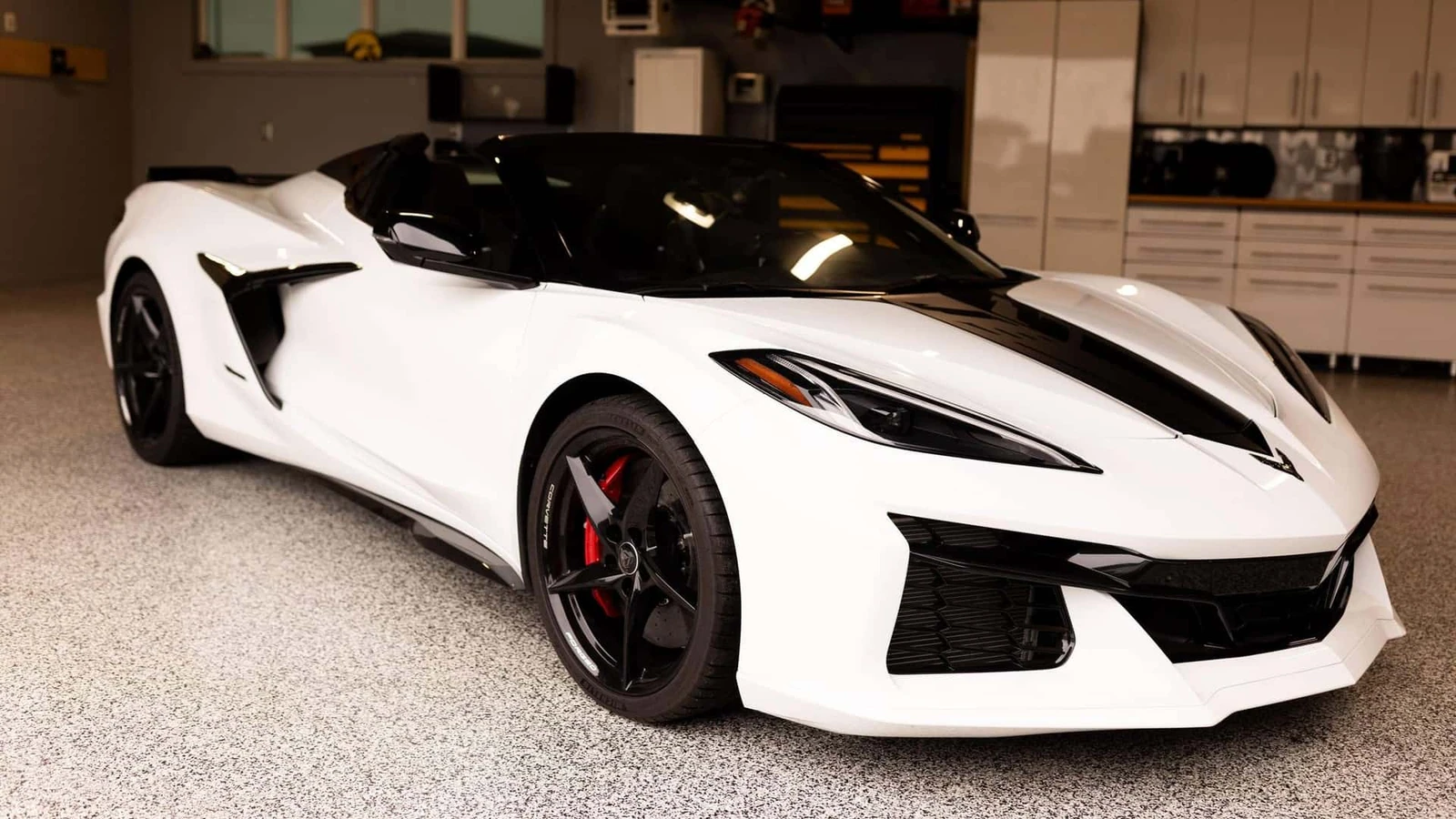
Chevrolet Corvette E-Ray convertible sells for $99,500 after costing its owner $136,890 new

The 570-mile 3LZ convertible lost $37,390 at auction, a depreciation hit of more than $65 for every mile it covered.

Image: Motor1

A nearly new 2025 Chevrolet Corvette E-Ray convertible has sold at auction for $99,500, well below the $136,890 its owner paid for it new. The car had covered just 570 miles when it changed hands on Cars And Bids, a loss of $37,390 for the seller.

That works out to a depreciation cost of more than $65 per mile driven, and a drop of close to 30 percent against the original purchase price. The car met its reserve, and the seller said he has other fun cars to drive, so the result was not an unhappy one for him.

A heavily optioned car with almost no miles

The car in question is a 3LZ Convertible, a heavily optioned version of the E-Ray. With options included, the total cost crept toward $140,000, which makes the $99,500 hammer price an even steeper fall from the showroom figure.

At 570 miles the car is barely broken in, and it still carries plenty of warranty life. For the buyer who paid $99,500, that is a $37,390 discount on a car that has hardly been used.

Why the E-Ray has struggled to hold value

The E-Ray occupies an unusual place in the Corvette line. Chevrolet added an electrified element to its halo model, and buyers did not immediately flock to it.

On paper the car is far from short of pace. It produces 655 horsepower and 595 pound-feet of torque, and Chevrolet quotes a 0-60 mph time of 2.5 seconds. The electric side of the powertrain is there to boost performance rather than to deliver meaningful electric-only range.

That mismatch between capability and buyer enthusiasm is the likely explanation for the auction result. A car with supercar acceleration and a six-figure sticker still depends on demand to protect its resale value, and the E-Ray has not generated the following that its spec sheet might suggest. The lesson for anyone shopping in this part of the market is that a low odometer reading does not insulate a niche performance model from a sharp fall in value.

What the E-Ray started

Chevrolet has since applied what it learned from the E-Ray to the Grand Sport X and ZR1 X, both of which sit at the top of the current Corvette range. The E-Ray came first, and the later cars benefit from that experience.

That makes the E-Ray an underappreciated chapter in the Corvette's recent history, and one that the new owner now has a chance to enjoy properly.

What is not known

The auction result covers this single car only, and no broader sales figures for the E-Ray were given. Chevrolet has not announced any change to E-Ray pricing or availability as a result of the sale.
Open this article ↗
Electric / TDCN ORIGINAL

EU and UK may delay 2027 electric car battery tariff, report says

A 10% levy on EVs traded between Britain and the EU without locally sourced battery packs could be pushed back, with carmaker group ACEA seeking a 2030 start.

Image: Carscoops

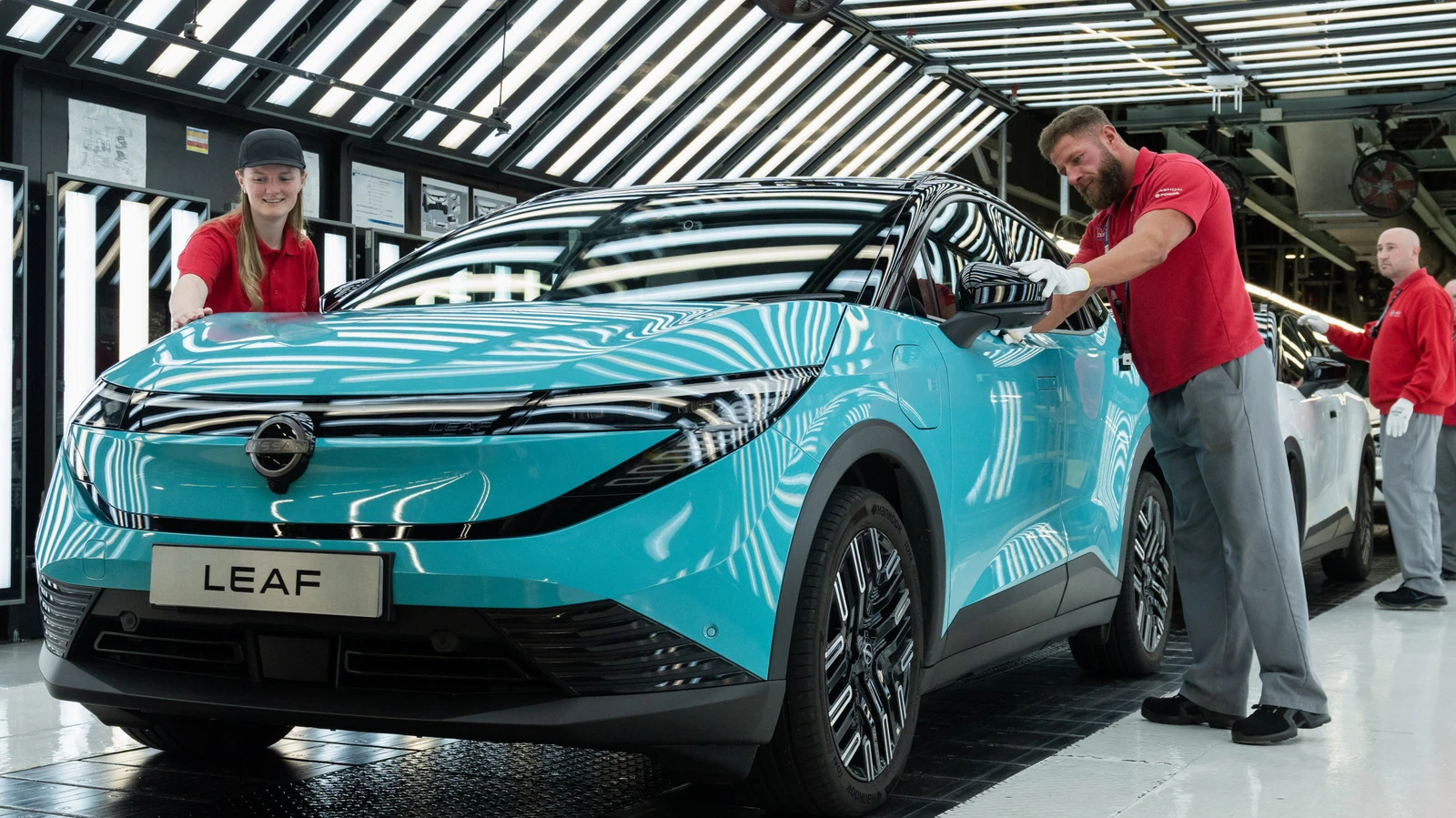
A planned 10% tariff on electric vehicles traded between the UK and the EU that lack locally sourced battery materials may be postponed, with the motor industry group ACEA pushing for a delay until 2030. The levy, drawn up during the 2021 Brexit negotiations, was due to take effect on January 1, 2027, and would apply to EVs whose battery packs are not assembled locally.

The Financial Times reports that ACEA, which represents EU automakers, says the vast majority of the roughly 520,000 EV passenger cars projected for sale in 2027, about 82%, would be caught by the charge. Supply chains have not kept pace with the plan, and most EVs built in the UK and EU still rely on Asian-sourced materials for key battery components.

Why carmakers want the charge pushed back

ACEA argues that if the levy came into force, UK- and EU-built EVs would no longer be competitive against rivals from China, which are themselves subject to import limits as the EU tries to shrink its trade deficit. The irony is that most battery packs and chemicals used in those European-built cars originate in Asia, with many imported from China.

ACEA has proposed postponing the requirements until 2030 and pushing a further rule on European-made battery cathode material to 2032. That matters because the tariff would land hardest on the models European factories are building right now, not on some future generation of cars.

UK and EU carmakers are pushing to delay the 2027 battery tariff to keep factory-floor costs down
UK and EU carmakers are pushing to delay the 2027 battery tariff to keep factory-floor costs down, Image: Carscoops

Who stands to lose from a delay

Not everyone in Europe wants the postponement. Companies that have already invested in large-scale battery manufacturing plants, along with the EU chemicals industry, sit on the other side of the argument. For them, a delay weakens the case for building local supply chains when imported cells remain cheaper.

The two markets are deeply intertwined, which raises the stakes. The UK is the largest buyer of EU-manufactured vehicles, taking 30% of them, and the EU is the UK's biggest export market for EVs, with the two trading about €80 billion ($88 billion) a year. A tariff on battery origin would therefore cut across one of the busiest vehicle trade routes in Europe.

Timing and what is still undecided

A delay is considered likely, but how long the levy will be staved off is unclear. An unquoted UK official said serious negotiations will probably begin after an EU-UK summit scheduled for November 20, 2026.

These battery-origin rules are separate from the EU's postponed plan to sell only EVs from 2035; they concern where EV components come from, not what powers the cars. No new start date has been confirmed, and neither side has announced a final decision.

Open this article ↗

Keep scrolling to read the next story.

Older articles →