INDEPENDENT AUTOMOTIVE NEWSGLOBAL PERSPECTIVE / AUSTRALIAN EDITION
TDCNTHE DAILY
CAR NEWS.

The road ahead.
Every day.

RSS ↗
THE DAILY BRIEF10 STORIES

THE AUTOMOTIVE WORLD, IN FOCUS

What moves us.

New cars. Big shifts. The details that matter.
Original stories, every day.

10 original articles

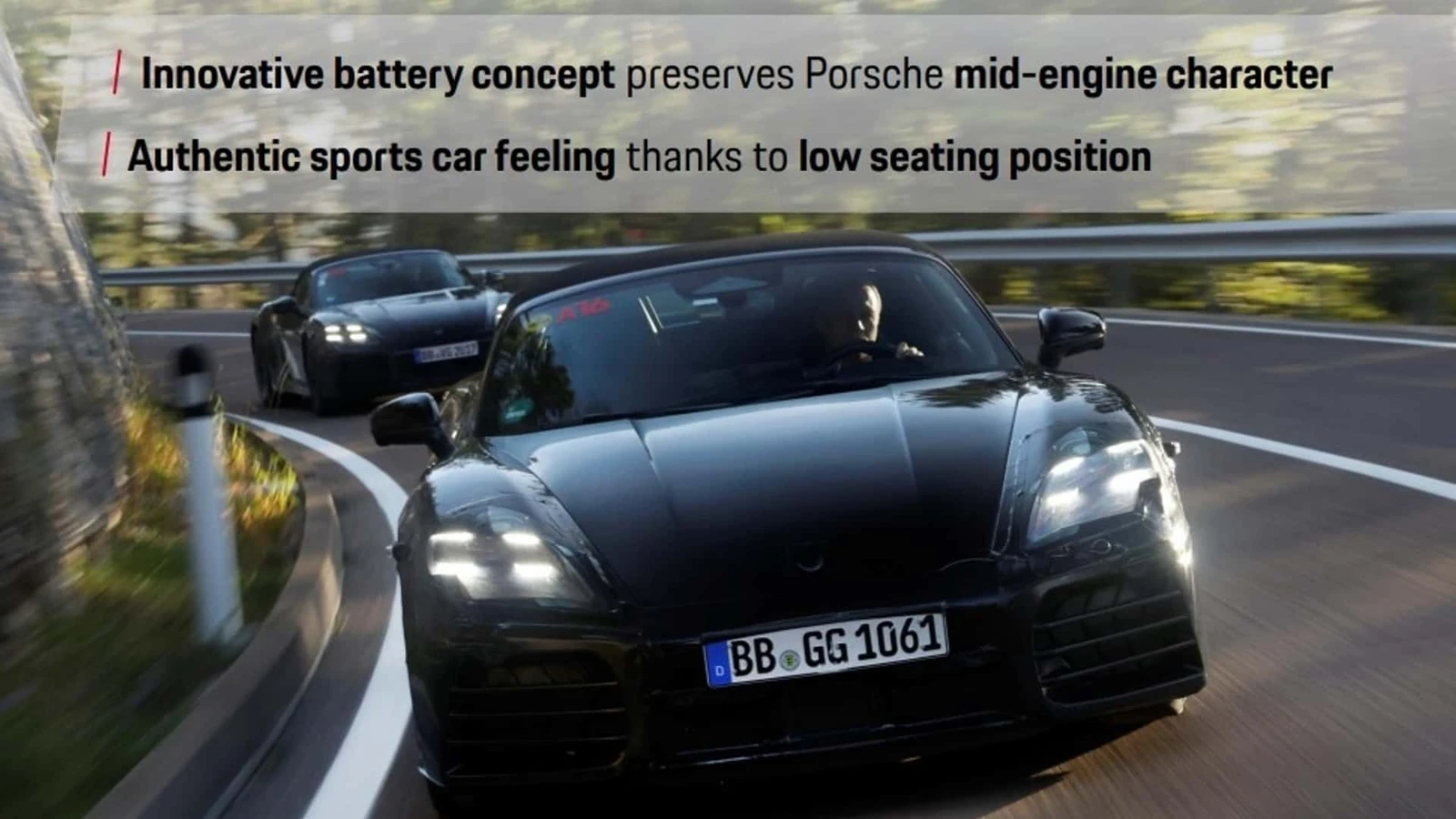
Porsche's next Boxster and Cayman will be electric from the outset, and the company has confirmed there will be no petrol versions of the new generation. The two-seaters break cover next year, with 2028 the first full year of production.

The unusual part is where the battery sits. Instead of under the floor, Porsche has mounted it behind the seats, in the space the combustion engine occupied in the old cars, an arrangement the company says preserves its mid-engine character.

A battery where the engine used to be

The pack consists of three modules arranged across two levels, positioned where the four-cylinder or flat-six once lived, Robert Meier, head of vehicle architecture, has revealed.

The layout has a measurable effect on balance: 55.2 percent of the car's weight sits over the rear axle. That is not a perfect 50:50 split, but it is closer to the ideal than the outgoing petrol car managed, which is a genuine achievement for a heavy-battery EV.

Porsche also says the rear-mounted pack improves structural rigidity and forms part of the crash structure. Sitting the battery behind the seats rather than beneath the floor should also let occupants sit lower, which matters in a car sold on its driving position.

Weight and the Taycan's fake gears

No official kerb weight has been published. Auto Express has reported a figure of around 1,700 kg, just under 3,750 lb, but that remains unconfirmed. For context, a previous-generation Cayman S weighed 2,988 lb in US specification, so even the optimistic estimate represents a substantial gain.

The new cars will also inherit the Taycan's optional E-Shift system, which simulates gear changes and engine sounds to make acceleration feel more familiar to drivers used to combustion sports cars, Top Gear magazine has learned from Porsche.

That tells you something about the brief. Porsche knows the soundtrack and shift rhythm of a petrol engine are a large part of the 718's appeal, and it is using software to approximate what the hardware can no longer provide. Whether simulation can stand in for a flat-six is the open question; the cars will have to prove themselves on the road.

No petrol fallback this time

Porsche had earlier hinted at combustion derivatives of the next 718, but the company's latest product strategy covers the electric models only. The new generation goes on sale without petrol equivalents, a cleaner break than some enthusiasts wanted.

The cars are expected to keep the compact proportions that have defined the Boxster and Cayman for decades, so this is not a size-driven reinvention.

Buyers who want a petrol Porsche two-seater are pointed at the 911, which the company's chief executive Michael Leiters has said will never be electric. Certain 911 versions will even keep a manual gearbox.

What is still unknown

Porsche has not announced pricing, official specifications, range figures or battery capacity for either car. The exact reveal date next year has not been confirmed either.

The gamble is clear enough. Porsche is betting that an unusual battery position, familiar proportions and simulated combustion drama will convince sceptics that an electric 718 can still be a proper sports car. The weight penalty is real, and traditionalists in the combustion segment are running out of alternatives, so the stakes for Porsche's fundamentals are higher than the acceleration figures suggest.
Sources & reporting notes +

Written with AI assistance and checked against the source material. Our editorial standards.

Open this article ↗

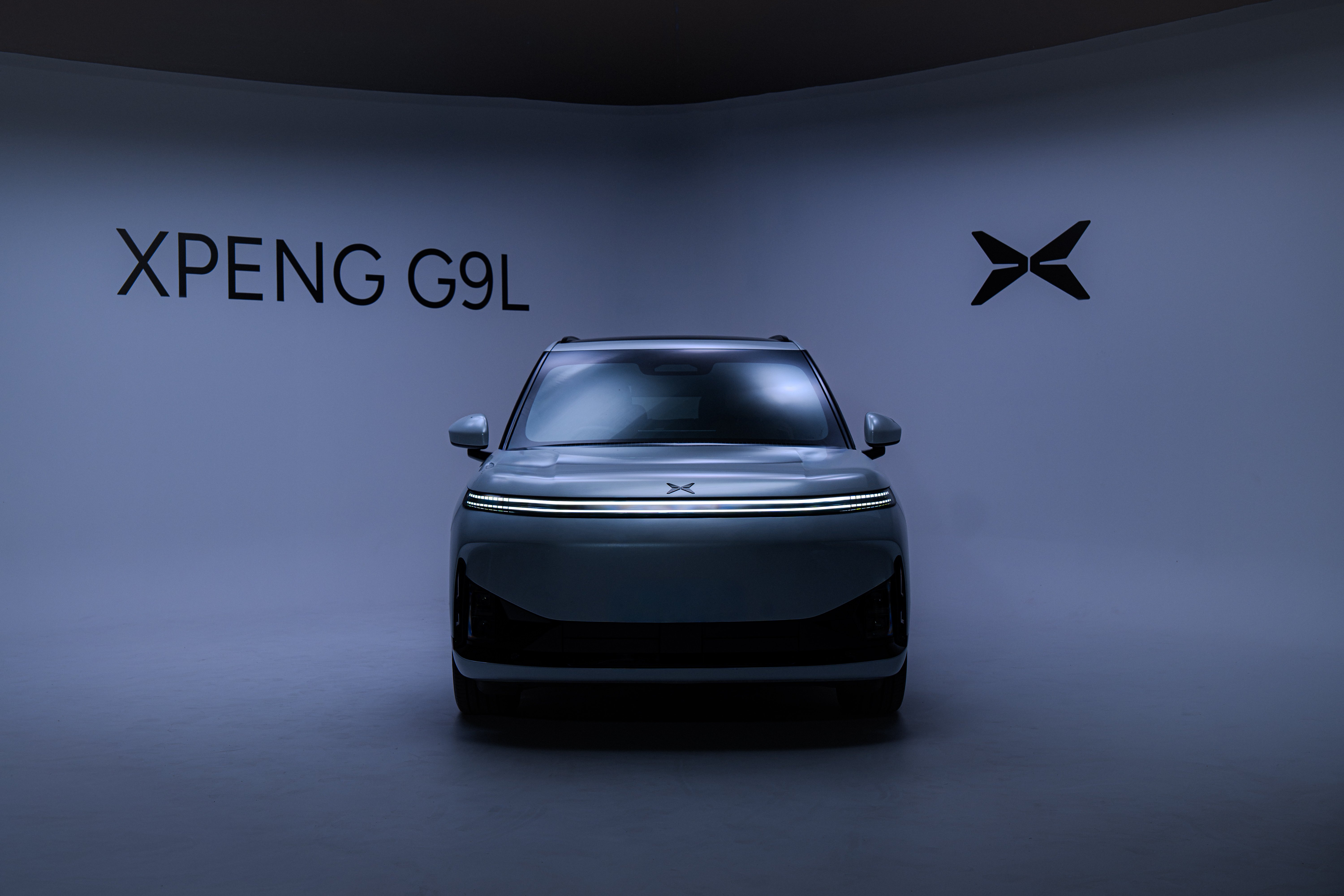
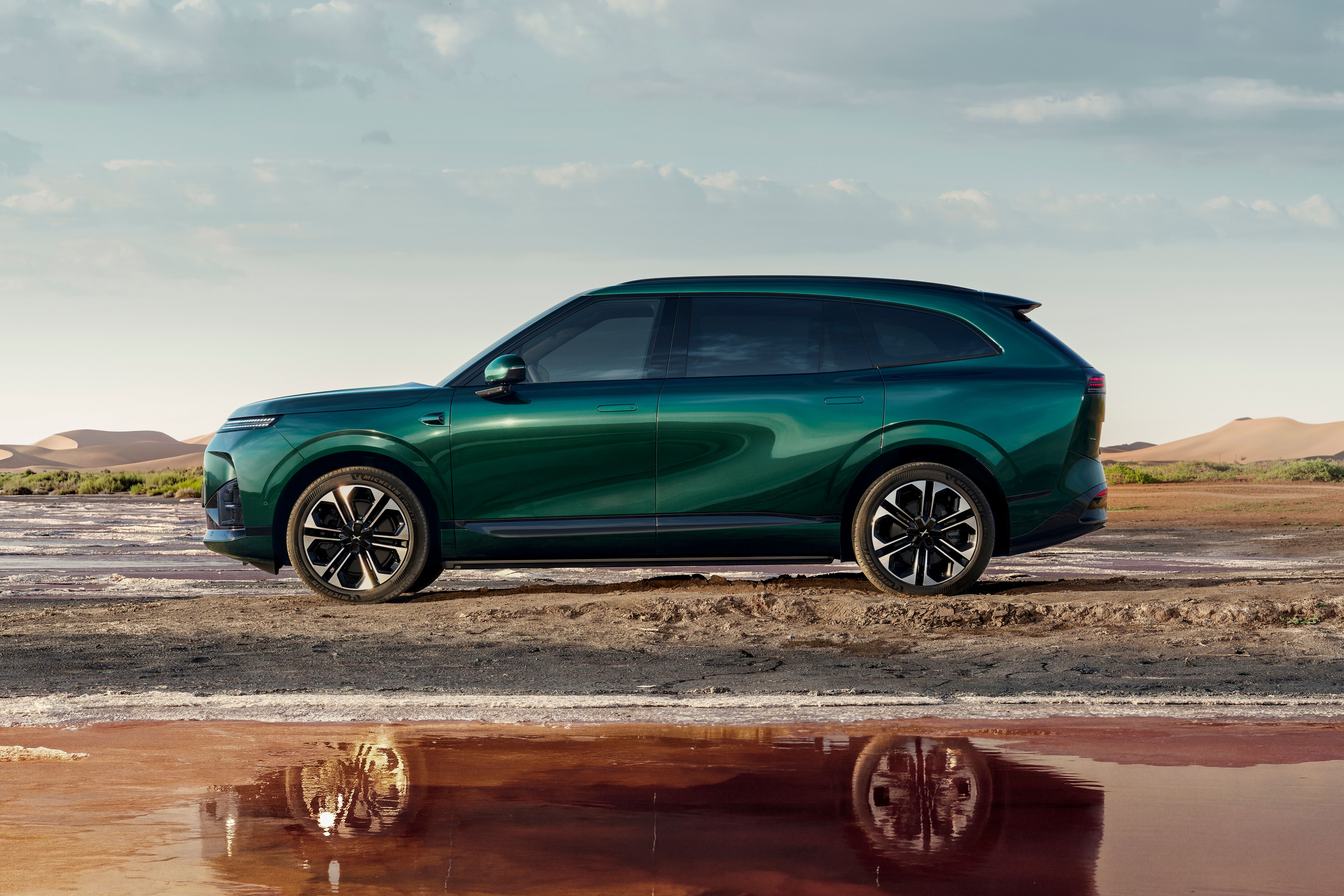
Xpeng has detailed its new G9L large SUV ahead of an Australian launch next month, confirming the three-row model will arrive with both battery-electric and extended-range electric powertrains and a claimed combined range of up to 1200km.

The 5.12-metre seven-seater, which sits on a 3100mm wheelbase, is positioned against large electric SUVs such as the Kia EV9 and Volvo EX90.

The range-extender system in detail

The headline figure comes from the EREV version, which uses Xpeng's Kunpeng Super Electric system: a petrol engine that generates electricity rather than driving the wheels, with an electric motor handling propulsion.

A dedicated 1.5-litre turbocharged petrol engine acts solely as a generator. The drivetrain is claimed to produce 430kW and 695Nm, with a claimed 0-100km/h time of 5.4 seconds.

The 63kWh lithium iron phosphate battery alone is credited with 287km of electric range on the WLTP cycle. Xpeng says the 800V architecture supports DC fast-charging at up to 5C, taking the battery from 10 to 80 per cent in roughly 12 minutes under suitable conditions.

An energy management system adjusts how the battery and generator work together according to driving conditions, and noise-cancellation technology is intended to mask the difference in sound between range-extender and battery-electric running.

For buyers wary of charging infrastructure, that 1200km combined figure is the pitch: tour on petrol, commute on electrons. The 12-minute 10 to 80 per cent claim is generous, though Xpeng's own caveat about suitable conditions is doing real work there, since 5C charging depends on finding hardware that can deliver it.

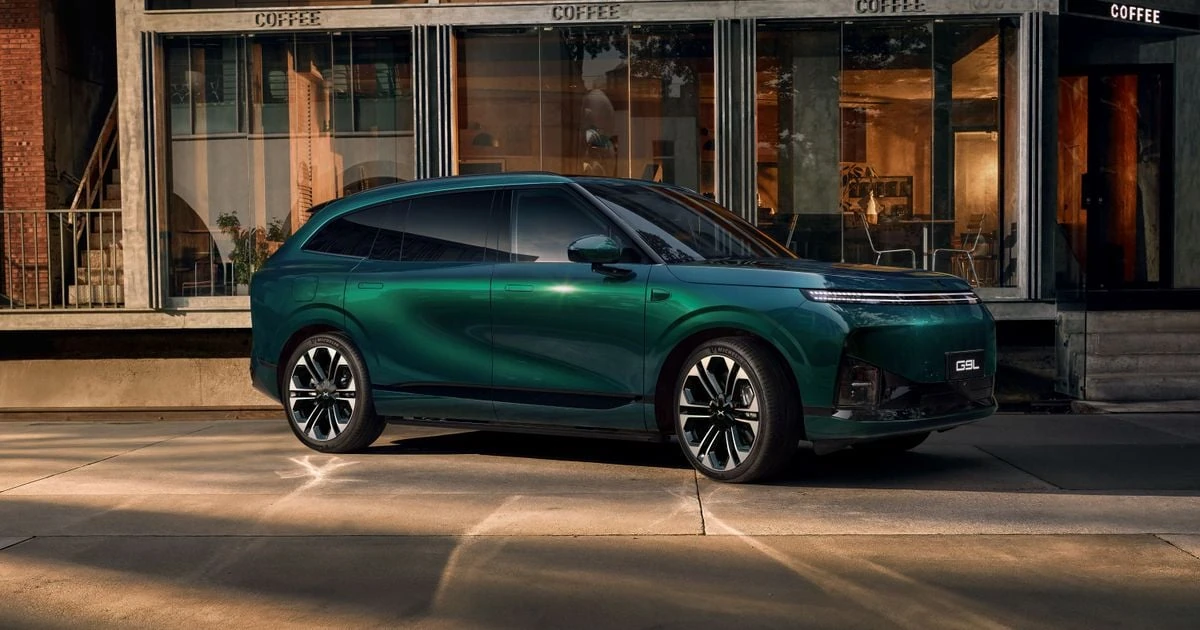
The Xpeng G9L's stretched three-row body promises up to 1200km of combined range
The Xpeng G9L's stretched three-row body promises up to 1200km of combined range, Image: CarExpert

A cabin built to justify the price of entry

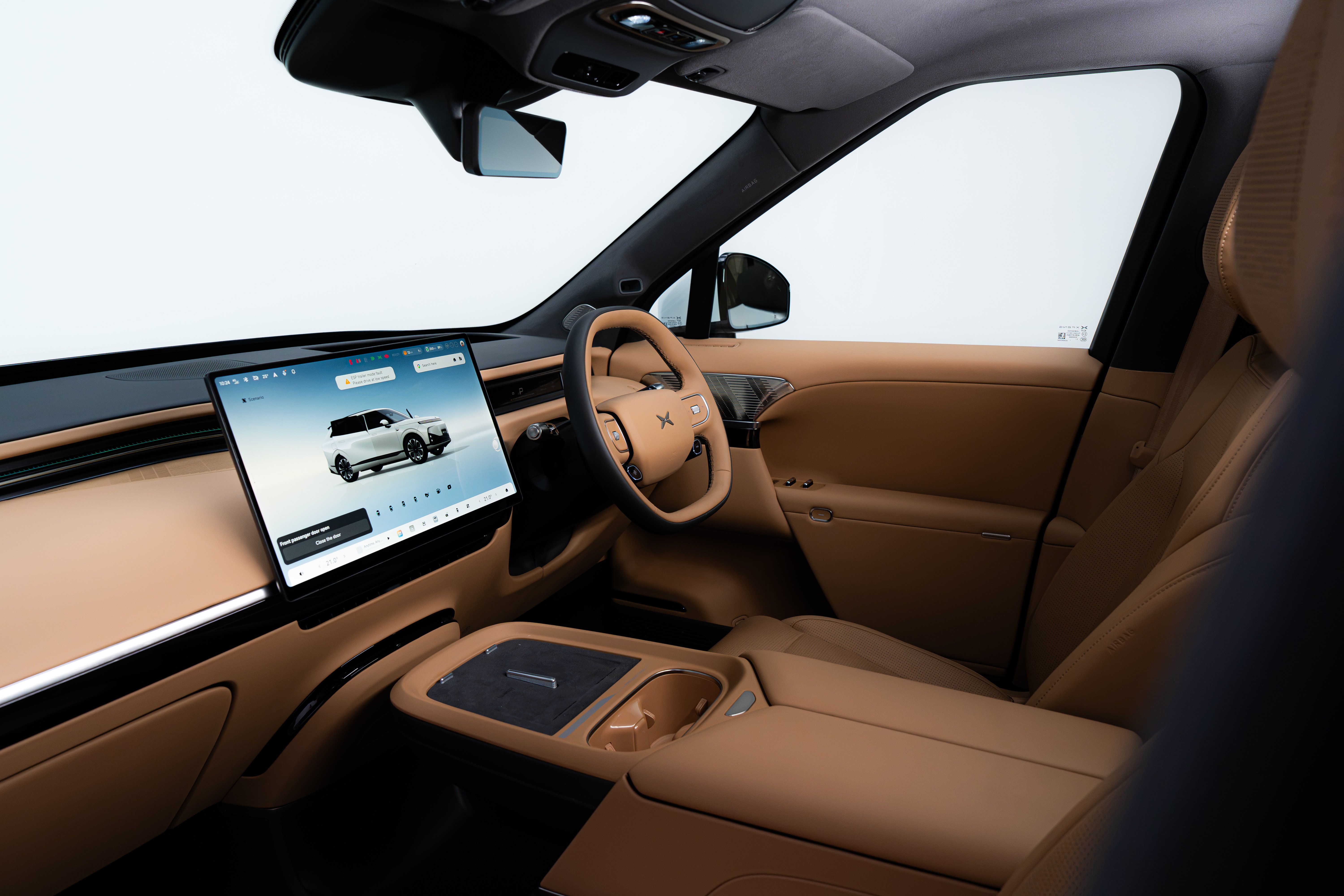
Xpeng has detailed a seven-seat layout aimed at premium comfort across all three rows.

Front seats are trimmed in Nappa leather with heating, ventilation, 16-point massage and adaptive side bolsters, while the front passenger gets a zero-gravity seat. The second row adds power adjustment, heating, 10-point massage and electric sunshades, and the third row offers power adjustment and heating.

Kit also includes a 26-speaker premium audio system, an integrated refrigerator and multiple passenger entertainment screens.

Massage seats in the second row and a fridge are not standard fare in the EV9 or EX90 at any trim, so Xpeng is clearly using equipment rather than brand cachet to break into the large SUV segment.

A lounge-like cabin with sweeping displays aims to justify the G9L's price of entry
A lounge-like cabin with sweeping displays aims to justify the G9L's price of entry, Image: CarExpert

What is still unknown

Xpeng has yet to confirm full specifications for the Australian-market cars, including the exact variant line-up, and details of the pure-EV version's range and outputs have not been announced.

Australian pricing has not been revealed either, so buyers will need to wait for local launch specifications before comparing the G9L on cost with the Kia EV9 and Volvo EX90.

The pure-EV version's absence of published figures is the notable gap: the EREV's 287km electric range and 1200km combined are locked down, but the car many buyers will cross-shop against the EV9 on pure battery range alone is still a mystery. Expect those numbers, and prices, at the local launch.

Xpeng's G9L arrives in Australia as the brand's flagship family SUV
Xpeng's G9L arrives in Australia as the brand's flagship family SUV, Image: CarExpert
Sources & reporting notes +

Written with AI assistance and checked against the source material. Our editorial standards.

Open this article ↗

Keep scrolling to read the next story.

Older articles →